Alloy: Definition, Composition, Types, Properties, and Applications in CNC Machining
What Is an Alloy and How Is It Used in CNC Machining?
An alloy is a material made by combining two or more metals, or a metal and a non-metal, to enhance the properties of the base metal. By combining metals, alloys often achieve improved strength, corrosion resistance, and other desired properties that are not present in the base metals alone. For example, steel, an alloy of iron and carbon, is stronger and more durable than pure iron. This ability to tailor alloys to specific needs makes them incredibly versatile, especially in applications like CNC machining, where precise material properties are essential for manufacturing high-performance parts like alloy wheels or intricate alloy CNC components.
CNC Alloy Composition: What Are Alloys Made Of?
Alloys are created by melting a base metal and adding other elements to achieve specific properties. The base metal forms the main substance of the alloy, while other metals or non-metals are added to modify its characteristics. For example, in the creation of CNC machining parts, alloying elements like nickel, copper, or aluminum are frequently used to enhance the material’s strength, workability, and corrosion resistance. Non-metals such as carbon or silicon are also added, depending on the desired mechanical properties. These alloys are then precisely crafted for applications like alloy CNC machining parts or customized alloy wheels.
How CNC Machining Processes Create Alloys for Precision Parts
To create an alloy, the base metal is heated to a high temperature until it melts. Alloying elements are then mixed with the molten metal. Afterward, the mixture is cooled and solidifies into a new substance with properties different from the base metal. This process, known as alloying, can be followed by further processing such as casting, rolling, or forging. These steps are essential when producing high-precision components for industries like CNC machining, where the material's performance directly impacts the quality and efficiency of the final product. For example, when manufacturing alloy wheels using CNC machines, the precise control of alloy composition ensures strength, durability, and high performance.
What Are the Characteristics of Alloys?
Alloys are different from pure metals in one key way: when you mix metals (or metals with non-metals), the material changes in ways that can be small or dramatic. This is why alloys are so commonly used in CNC machining, they give us exactly the properties needed for precise, high-performance parts.
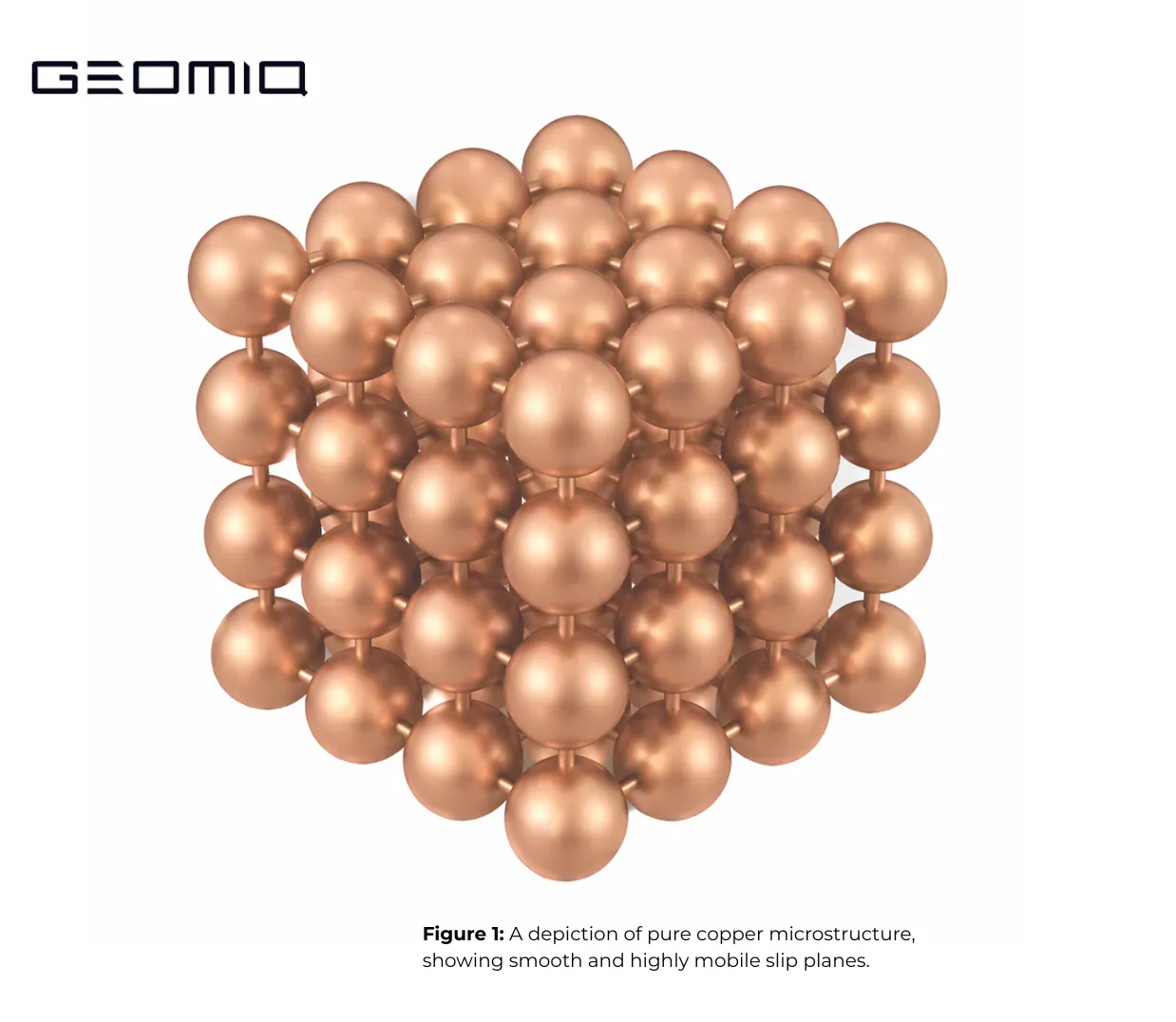
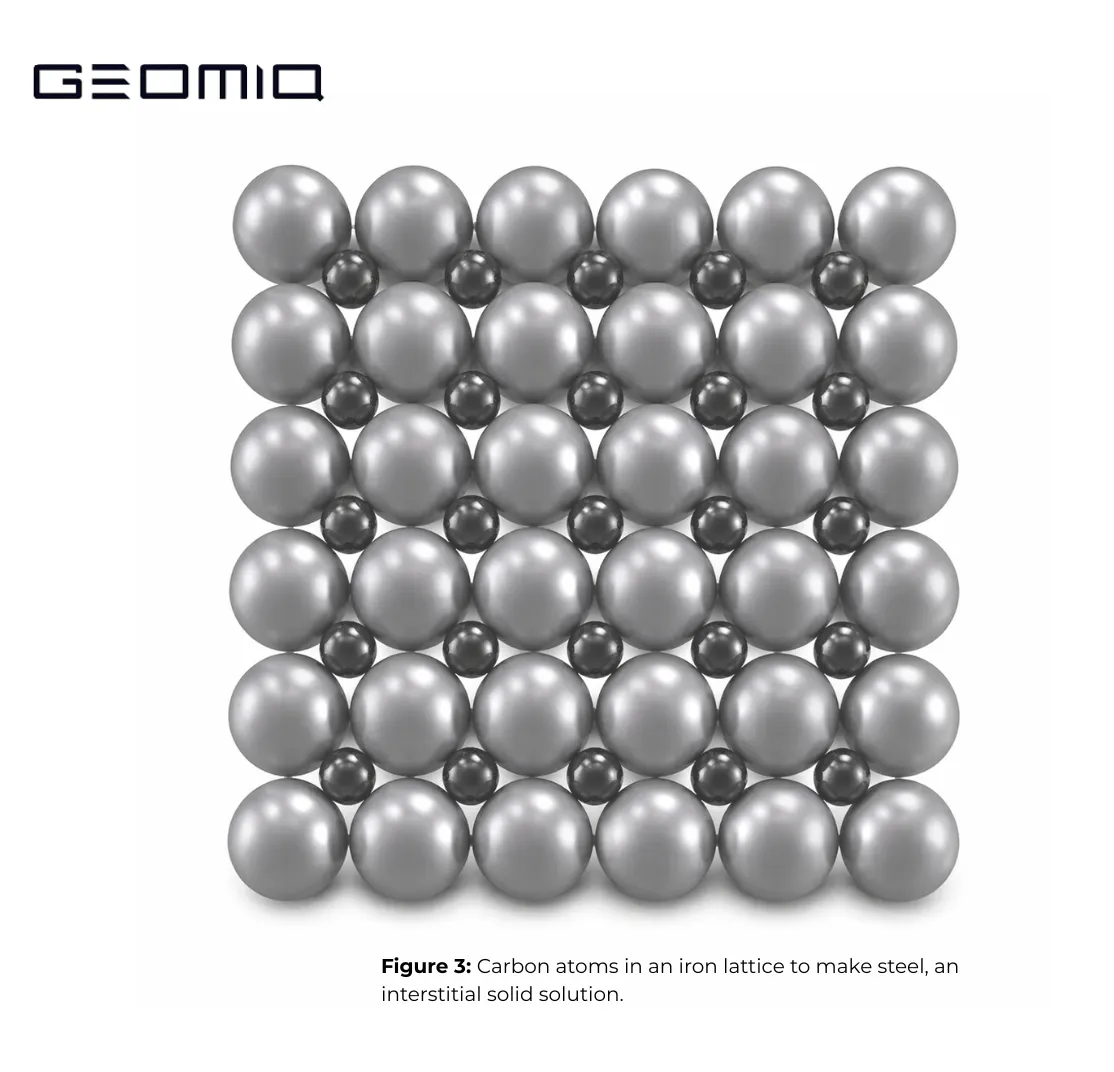
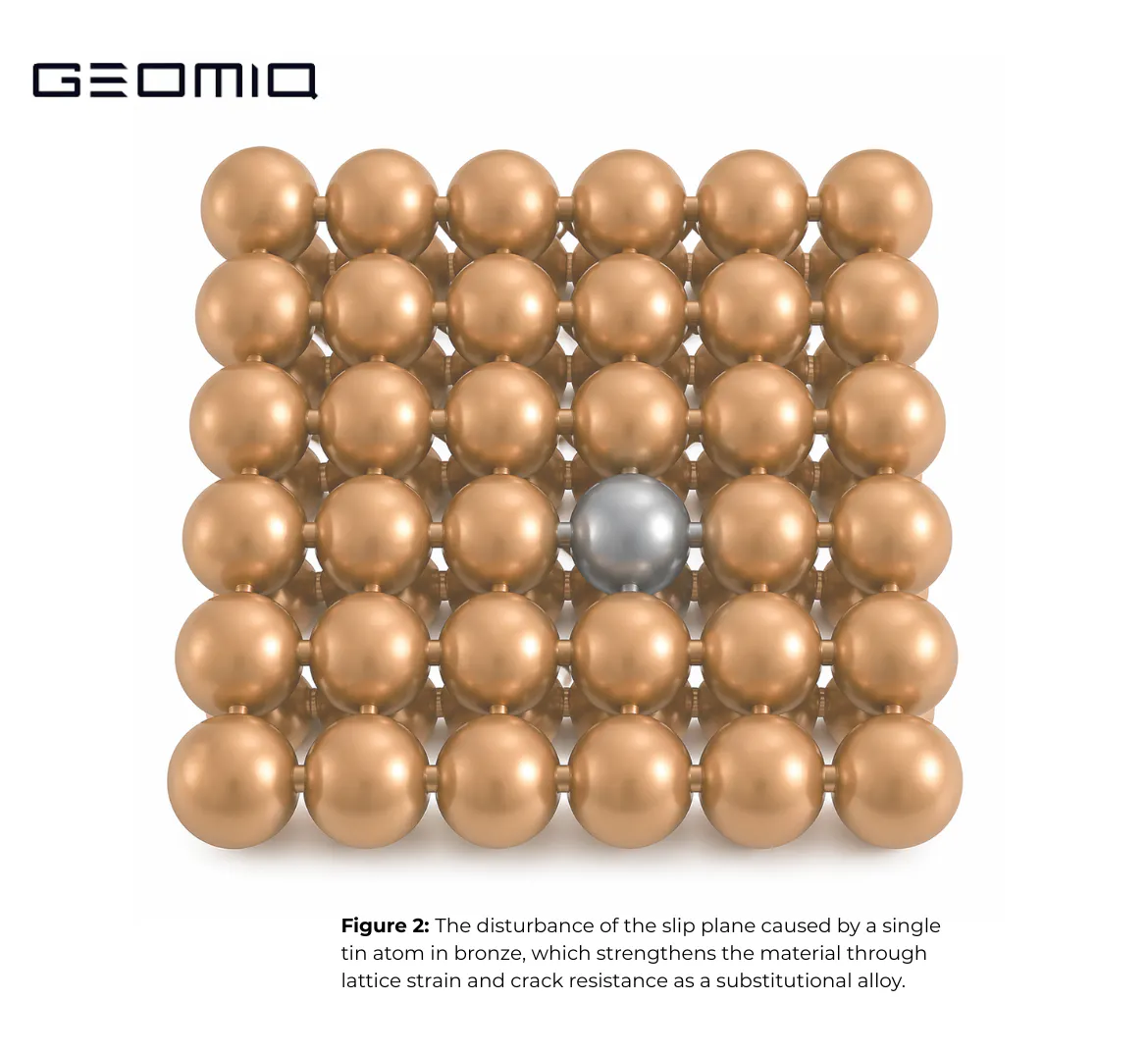
- One of the biggest differences you’ll notice is improved performance. For instance, steel is much stronger than pure iron, and bronze is more durable and corrosion-resistant than copper. The reason? Adding elements to the base metal messes with the internal structure, making it harder for the atoms to move around. Less movement = more strength, which is perfect for CNC machining parts that need to withstand wear and stress.
- Another big advantage of alloys is their flexibility. You can basically "fine-tune" a material to get just the right properties for CNC processes. Pure aluminum, for example, is soft and easy to shape, but it’s not very strong. However, by adding elements like magnesium or silicon, you get a material that’s both strong enough for things like CNC-machined automotive parts while still being lightweight.
- The best part is, there’s a huge variety of alloys out there. Each one has different qualities for specific needs. Some alloys are built to handle extreme heat, others are resistant to corrosion, and some are made to reduce weight. Engineers don’t just pick any alloy, they choose based on what the material needs to do in CNC machining, such as strength, durability, or thermal stability.
- In terms of physical behavior, alloys tend to be stronger and more resistant to wear than pure metals. The added elements create a structure that makes it tougher for layers inside the material to slide under pressure, which helps prevent deformation, a key factor when machining high-precision CNC components.
- Alloys are also much better at handling corrosion. Take stainless steel as an example, it’s got chromium in it, which forms a protective layer on the surface. This layer shields the metal from moisture and oxygen, stopping it from rusting, which is crucial when producing CNC-machined parts that are exposed to harsh environments.
Of course, there are some trade-offs. Alloys usually have lower electrical and thermal conductivity than pure metals. This happens because the different elements in the mix interfere with how easily electrons can flow through the material, reducing how well it conducts heat and electricity. But this can be beneficial in certain CNC applications where heat resistance is important.
In a nutshell, alloys are all about balance. You make some compromises to get better performance in the areas that matter most for CNC machining applications. That’s why alloys are so much more useful than pure metals for real-world, high-precision projects.
What Does an Alloy Look Like?
Alloys typically have a metallic appearance, but their exact look can vary depending on the metals involved. For example, steel has a silvery-gray appearance, while brass has a yellow-gold color. Bronze, an alloy of copper and tin, typically has a reddish-brown hue. The alloy's color and texture will depend on the specific metals or non-metals it is made from.
What Are the Different Types of Alloy?
There are numerous types of alloys, each designed for specific applications based on their composition and properties. Some of the most common types include:
1. Steel
Steel is made primarily from iron and carbon. It is one of the most widely used alloys due to its strength, versatility, and cost-effectiveness. Steel comes in different varieties, including carbon steel, alloy steel, and stainless steel, with each type offering unique properties. Steel is essential in CNC machining for producing parts that require high strength and precision. It is used in a wide range of applications, including construction, automotive manufacturing, machinery production, and CNC-machined components for industrial use.
2. Brass
Brass is an alloy of copper and zinc, known for its gold-like color and corrosion resistance. It is used in applications where both strength and aesthetics are important. Brass is commonly used in CNC machining for components that require high precision and a polished finish, such as musical instruments, plumbing fixtures, and jewelry. Its corrosion resistance makes it ideal for applications that require exposure to water or air, especially in environments like marine or HVAC systems.
3. Bronze
Bronze is made from copper and tin, with additional elements sometimes included. It is tougher and more resistant to corrosion compared to brass, making it ideal for more demanding applications such as statues, coins, and bearings. Bronze is commonly used in CNC machining for creating parts that need to withstand wear, corrosion, and heavy use, even in harsh environments like seawater. It's a great choice for high-precision parts like bushings, gears, and industrial components.
4. Aluminum Alloys
Aluminum alloys are lightweight and corrosion-resistant. These alloys are commonly used in industries like aerospace, automotive, and packaging due to their high strength-to-weight ratio. In CNC machining, aluminum alloys are frequently used to produce parts for aircraft bodies, car components, and even packaging materials. Their combination of low weight, strength, and corrosion resistance makes them highly suitable for CNC applications that require high performance and precision.
5. Titanium Alloys
Titanium alloys are created by adding elements like aluminum and vanadium to titanium. These alloys are known for their high strength-to-weight ratio and resistance to corrosion. Titanium alloys are used in high-performance CNC applications, such as in aerospace, medical implants, and military parts, due to their exceptional strength and lightweight nature. These alloys are ideal for precision CNC machining in industries that demand the best performance under extreme conditions.
6. Nickel Alloys
Nickel alloys are highly resistant to heat and corrosion, which makes them ideal for use in extreme environments such as chemical plants and gas turbines. These alloys are used in CNC machining for parts that need to withstand high temperatures and corrosive conditions. Industries such as aerospace, power generation, and chemical processing rely on nickel alloys for CNC machined components that offer durability and resistance to wear in harsh environments.
7. Copper-Nickel Alloys
Copper-nickel alloys combine the strength of copper with the corrosion resistance of nickel. These alloys are often used in marine environments where resistance to seawater corrosion is essential. Copper-nickel alloys are widely used in CNC machining for marine applications, such as ship hulls and seawater piping, due to their durability and resistance to corrosion. These alloys are also common in creating high-performance components that require precision machining.
What Are the Properties of Alloys?
Before choosing an alloy for CNC machining, it’s important to understand how it behaves in real conditions. Different alloys can vary significantly in strength, weight, heat resistance, and how they react to the environment. CNC machinists select alloys based on how well the material will perform under specific conditions, including precision, wear resistance, and ease of machining.
The tables below give a quick, side-by-side comparison of the most common alloy types. They cover key mechanical, physical, and chemical properties, so you can easily see how each material performs and where it is best used for CNC machining projects.
Table 1 below outlines the properties of several commonly used alloy types։| Alloy Type | Typical Composition | Key Properties | Common Uses | Real-World Examples |
|---|---|---|---|---|
| Steel | Iron (85–98%), Carbon (0.02–2%), trace elements | High strength, toughness, wear resistance, machinable | Construction, automotive, tooling | Beams, car frames, surgical tools |
| Brass | Copper (55–70%), Zinc (30–45%) | Corrosion resistant, good conductivity, easy to machine | Hardware, fittings, decorative parts | Valves, fittings, musical instruments |
| Bronze | Copper (80–90%), Tin (10–20%) | Hard, wear-resistant, low friction, corrosion resistant | Bearings, marine parts, industrial components | Bushings, gears, marine fittings |
| Aluminum Alloys | Aluminum (85–99%) + silicon, magnesium, zinc | Lightweight, corrosion resistant, good strength-to-weight ratio | Aerospace, automotive, consumer goods | Aircraft panels, bike frames, enclosures |
| Titanium Alloys | Titanium (85–99%) + aluminum, vanadium | High strength, low weight, corrosion resistant, biocompatible | Aerospace, medical, high-performance systems | Implants, turbine parts, aerospace components |
| Nickel Alloys | Nickel (60–80%) + chromium, iron | Heat resistant, oxidation resistant, stable at high temperatures | Energy, aerospace, chemical processing | Turbine blades, heat exchangers |
| Copper-Nickel Alloys | Copper (70–90%), Nickel (10–30%) | Excellent corrosion resistance, especially in seawater, ductile | Marine, oil & gas, power systems | Ship piping, offshore systems, condensers |
What Are the Physical Properties of Alloys?
Physical properties of alloys include density, melting point, and conductivity. For example, aluminum alloys are known for being lightweight, which makes them ideal for CNC machining applications that require low mass, such as in aerospace and transportation components. Steel alloys, on the other hand, are much denser and have a higher melting point, making them suitable for CNC machining in construction, heavy machinery, and tooling, where strength and durability are key.
Table 2 below presents key physical characteristics of typical alloys.| Alloy Type | Density (g/cm³) | Melting Range (°C) | Thermal Conductivity (W/m·K) | Electrical Conductivity (% IACS) |
|---|---|---|---|---|
| Steel | 7.75 – 8.05 | 1370 – 1520 | 40 – 55 | 3 – 12 |
| Brass | 8.30 – 8.75 | 880 – 940 | 100 – 130 | 25 – 30 |
| Bronze | 7.50 – 8.80 | 900 – 1050 | 20 – 80 | 10 – 18 |
| Aluminum Alloys | 2.60 – 2.85 | 500 – 660 | 120 – 235 | 35 – 65 |
| Titanium Alloys | 4.40 – 4.90 | 1550 – 1700 | 6 – 22 | 1 – 3 |
| Nickel Alloys | 8.10 – 8.90 | 900 – 1450 | 10 – 25 | 2 – 20 |
| Copper-Nickel Alloys | 8.80 – 8.95 | 1150 – 1250 | 20 – 45 | 4 – 10 |
What Are the Chemical Properties of Alloys?
Chemical properties refer to how alloys react with other substances. For example, stainless steel is resistant to rust because it contains chromium, which forms a protective layer on the surface of the metal. This makes it a preferred choice in CNC machining for parts that must withstand corrosion. Other alloys, like brass, are highly resistant to corrosion due to the combination of copper and zinc, making them ideal for CNC machining of components in plumbing, marine environments, and high-precision applications.
Table 3 below highlights the chemical properties of selected common alloys.| Alloy Type | Corrosion Behaviour | Oxidation Tendency | Chemical Reactivity | Magnetic Behaviour | Flammability |
|---|---|---|---|---|---|
| Steel | Prone to rust without coatings or alloying | Oxidizes easily in air | Reacts with acids and alkaline environments | Typically ferromagnetic (except austenitic) | Non-flammable |
| Brass | Good resistance in atmospheric conditions | Forms surface oxidation over time | Sensitive to strong acids and ammonia | Non-magnetic | Non-flammable |
| Bronze | High resistance, especially in marine conditions | Develops protective oxide layer (patina) | Reacts slowly with acids | Non-magnetic | Non-flammable |
| Aluminum Alloys | Excellent due to natural oxide layer | Rapid initial oxidation, then stabilizes | Reacts with acids and strong alkalis | Non-magnetic | Non-flammable |
| Titanium Alloys | Outstanding corrosion resistance | Forms stable oxide film instantly | Resistant to most chemicals, reacts at high temps | Non-magnetic | Combustible in fine form |
| Nickel Alloys | Strong resistance in aggressive environments | Oxidation-resistant at elevated temperatures | Reacts slowly with acids, stable in harsh media | Can be ferromagnetic depending on composition | Non-flammable |
| Copper-Nickel Alloys | Excellent, especially in seawater environments | Forms protective oxide layer | Resistant to biofouling and mild acids | Slightly magnetic in some compositions | Non-flammable |
What Are the Applications of Alloys?
Alloys are used in a wide variety of industries because their properties can be specifically tailored to meet the needs of different applications. They are crucial in CNC machining and manufacturing processes due to their versatility and precision. From construction to electronics, and from medical devices to jewelry, alloys provide the necessary characteristics for high-performance applications.
Construction
Alloys, particularly steel, are commonly used in construction due to their strength and ability to withstand heavy loads. Steel is used in everything from bridges and buildings to structural reinforcements. Stainless steel, in particular, is favored in CNC machining for outdoor applications because of its resistance to rust and corrosion, making it ideal for structures exposed to harsh weather conditions.
Transportation
In the transportation industry, alloys are used to reduce the weight of vehicles while increasing their strength. CNC machining of aluminum alloys is essential in the aerospace industry to build lightweight, high-strength aircraft. Meanwhile, titanium alloys are used in high-performance engines, which require exceptional heat-resistance properties, all of which can be precisely shaped and engineered through advanced CNC processes.
Electronics
Alloys are critical in electronics for components like wires, connectors, and resistors. Copper alloys are commonly used in CNC machining for wiring, as they provide excellent conductivity. Gold alloys, on the other hand, are used in high-end electronic devices due to their outstanding conductivity and corrosion resistance, making them ideal for precision CNC-machined components in the electronics industry.
Medical Devices
Titanium alloys are extensively used in medical devices because they are biocompatible, meaning they can safely be used in the body without causing adverse reactions. These alloys are commonly CNC machined into implants, such as hip replacements and dental implants, as well as in surgical tools and other medical equipment. Their strength and light weight make them ideal for high-precision medical parts.
Jewelry
Alloys like gold, silver, and platinum are widely used in jewelry for their aesthetic appeal, durability, and malleability. CNC machining is often employed in the creation of intricate jewelry designs because these alloys are easy to shape and resist wear and tear. Gold alloys, for example, come in different colors depending on the combination of metals used, including white, yellow, and rose gold, all of which can be precisely crafted with CNC technology.
Manufacturing
In manufacturing, alloys are used to create tools, machinery, and industrial parts that require resistance to wear, high temperatures, or corrosion. Steel alloys are commonly CNC machined for cutting tools and heavy machinery. Aluminum alloys are also used extensively in the production of parts that need to be both strong and lightweight, making them ideal for CNC applications in industries like automotive and aerospace.
What Are the Benefits of Alloys?
Alloys offer several benefits over pure metals, including:
- Increased Strength: Many alloys are stronger than their base metals, making them ideal for heavy-duty applications.
- Improved Corrosion Resistance: Alloys like stainless steel resist rust and corrosion, making them perfect for use in harsh environments.
- Better Durability: Alloys are often more durable and wear-resistant, which increases the longevity of products made from them.
What Are the Limitations of Alloys?
While alloys provide many advantages, they also come with certain drawbacks:
- Higher Cost: Some alloys, especially those containing rare metals, can be expensive to produce.
- Processing Challenges: Some alloys are harder to process or weld than pure metals, which can complicate their use in manufacturing.
Specialized Applications: Not all alloys are suitable for every application. Choosing the right alloy requires careful consideration of the properties needed for a specific job.
Next Steps with Geomiq
If you’re designing parts that must withstand real-world mechanical loads, Geomiq can support you with:
- Material selection guidance
- Precision manufacturing services
Engineering-ready production at scale
FAQ
How do I choose the right alloy for my CNC machining project?
Are alloys always better than pure metals for CNC machining?
Why do some alloys rust while others don’t?
Can alloys be recycled or reused in CNC machining?
Are alloys harder to machine or manufacture in CNC machining?
How do I know which alloy is best for high-precision CNC parts?
About the author
Sam Al-Mukhtar
Mechanical Engineer, Founder and CEO of Geomiq
Mechanical Engineer, Founder and CEO of Geomiq, an online manufacturing platform for CNC Machining, 3D Printing, Injection Moulding and Sheet Metal fabrication. Our mission is to automate custom manufacturing, to deliver industry-leading service levels that enable engineers to innovate faster.