Steel CNC Machining
Mild steel is a popular material in CNC machining because it's strong, durable, and easy to work with. Made primarily of iron and a small amount of carbon, it offers excellent weldability and affordability. These mild steel properties make it a go-to for various industries, from automotive to construction.
Thanks to its malleability, mild steel is easy to shape and form, making it ideal for large production runs. It's commonly used for structural parts, machinery, and consumer goods. The material's properties also make it a great choice for rapid prototyping, allowing manufacturers to quickly create functional prototypes with a balance of cost and performance.
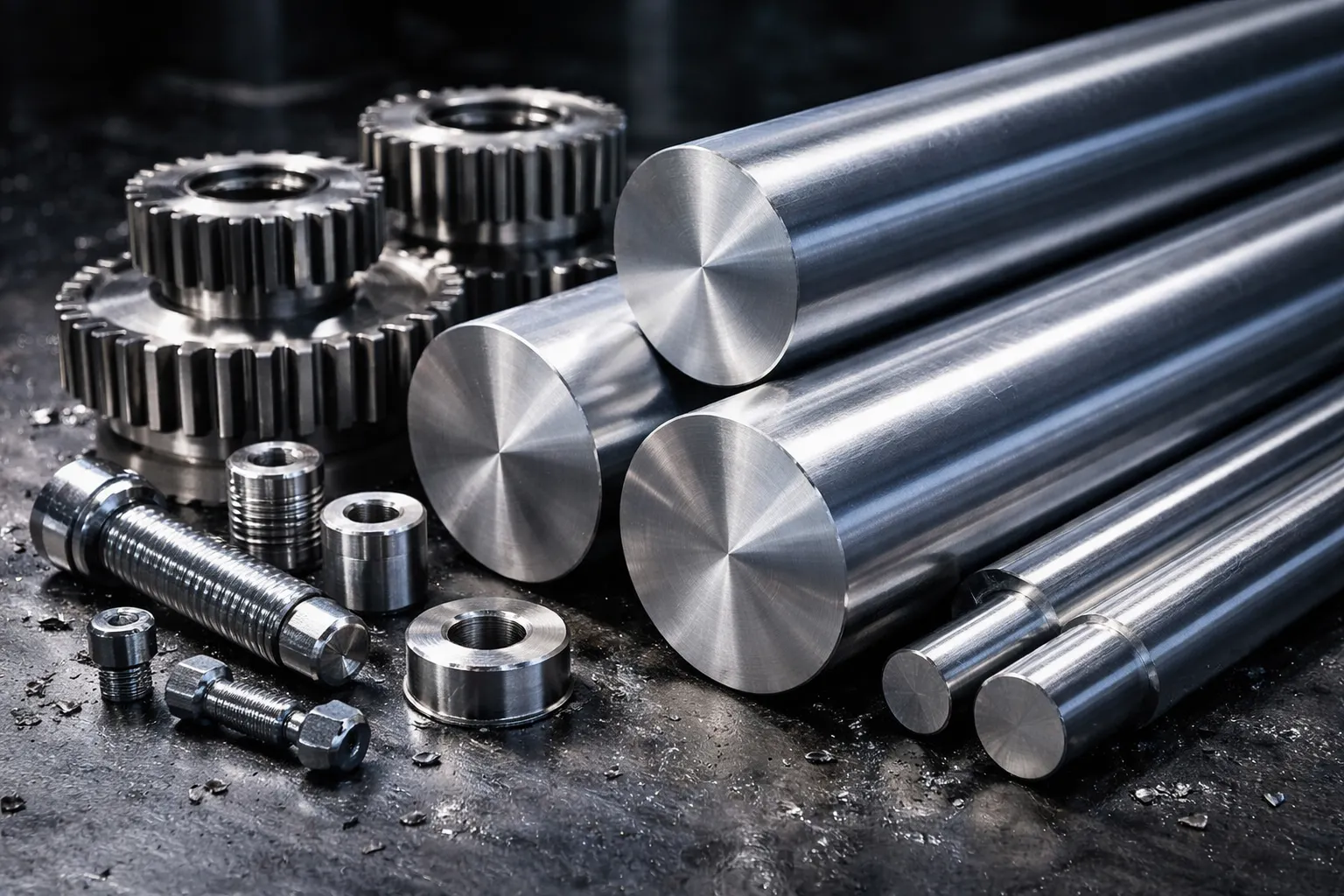
Types of Steel Used in CNC Machining
CNC machining works with various types of steel, each with distinct characteristics that make them suitable for different applications. Below are some of the most commonly used types:
- Carbon Steel: Known for its strength and durability, carbon steel is widely used for machining complex shapes. It is often used in automotive and manufacturing industries for parts that require high strength.
- Stainless Steel: This corrosion-resistant steel is ideal for industries like aerospace, medical devices, and food processing, where parts need to withstand harsh environments.
- Alloy Steel: Composed of carbon steel combined with other elements such as manganese or nickel, alloy steel offers improved hardness and toughness. It’s commonly used in tools, machinery, and equipment requiring durability.
- Tool Steel: Known for its hardness and ability to withstand wear and tear, tool steel is ideal for precision machining and is used in creating cutting tools, dies, and molds.
By understanding the different types of steel, manufacturers can select the right material for specific parts, optimizing the CNC machining process.
CNC Machining Capabilities and Industry Applications
CNC machining is a versatile process that can handle various materials and applications. Here’s how CNC machining is used across different industries:
- Aerospace: CNC machining creates precise and lightweight parts for aircraft and spacecraft, such as brackets, housing, and structural components. Materials like titanium and aluminum are often used alongside steel.
- Automotive: CNC machining produces critical engine components, gear parts, and suspension components, offering high accuracy and performance. Steel parts are often used for their strength and wear resistance.
- Medical Devices: Stainless steel is widely used in medical tools, implants, and devices. CNC machining ensures these parts meet strict regulations for safety and precision.
- Electronics: CNC machining is used to manufacture casings, frames, and connectors for electronic devices. Steel’s durability and conductivity make it ideal for many components.
- Heavy Equipment: In industries like construction and mining, CNC-machined steel parts are essential for manufacturing machinery parts that can handle heavy-duty operations.
Understanding CNC machining capabilities and industry applications helps ensure that manufacturers can meet specific design requirements with high precision and efficiency.
Comparison of Steel Types for CNC Machining
- Carbon Steel
- Common Applications: Carbon steel is commonly used for automotive parts and machinery components.
- Machining Methods: It is typically machined through milling, turning, and drilling processes.
- Properties: Carbon steel is known for its strength, cost-effectiveness, and good wear resistance. It is durable and ideal for general use. - Stainless Steel
- Common Applications: Stainless steel is widely used in the medical device industry, aerospace, and food processing sectors.
- Machining Methods: It is often machined using CNC turning and precision machining techniques.
- Properties: Stainless steel is highly resistant to corrosion, durable, and offers high tensile strength. It’s a top choice for industries that require parts to withstand harsh environments. - Alloy Steel
- Common Applications: Alloy steel is commonly used in the production of tools and heavy machinery.
- Machining Methods: CNC turning, grinding, and milling are typical machining methods for alloy steel.
- Properties: Alloy steel offers high hardness, improved toughness, and fatigue resistance, making it perfect for applications that demand durability and strength. - Tool Steel
Common Applications: Tool steel is primarily used to make cutting tools, dies, and molds.
Machining Methods: It is machined using CNC machining and grinding techniques.
Properties: Tool steel is extremely hard, wear-resistant, and heat-resistant, which is why it is used to create tools that endure intense pressure and high temperatures.
Steel 1018
Steel 1018 is a mild steel known for its excellent machinability and weldability. Its mild steel properties make it ideal for parts like shafts and pins. This versatile material is widely used in industries such as automotive and manufacturing. For detailed processing information.

Steel 4140
Steel 4140 is a chromium-molybdenum alloy with enhanced strength and toughness. Its mild steel material properties make it perfect for high-stress applications, like gears and axles.

Steel 4130
Steel 4130 is a low-alloy steel with a good balance of strength and toughness. Known for its mild steel properties, it’s commonly used in aerospace and automotive applications.

Steel 4140 PH
Steel 4140 PH is heat-treated for higher strength and wear resistance. It is used in tooling and high-stress applications. The material properties of mild steel are enhanced in 4140 PH, making it durable. For machining guidance, refer to our CNC Machining Guide.

Steel 1215
Steel 1215 is a free-machining carbon steel known for its easy machinability. With mild steel properties, it’s often used for fasteners and bushings.

Steel A36
Steel A36 is a low-carbon steel with good weldability and moderate strength. Its mild steel properties make it ideal for construction and structural applications.

Steel 4340
Steel 4340 is a high-strength steel with excellent toughness, used in heavy-duty applications. Its mild steel material properties make it suitable for parts under high stress.

O1 Tool Steel
O1 Tool Steel is oil-hardened, offering excellent wear resistance for tools. Its mild steel properties make it perfect for cutting tools and dies.

A2 Tool Steel
A2 Tool Steel is an air-hardened steel offering high wear resistance. It’s commonly used for tools requiring resistance to abrasion.

Finishes and Post-Processing Options
Finishes and post-processing are key steps in CNC machining that help improve both the look and performance of your parts. Options like anodizing, powder coating, and plating can add a protective layer to the material, making it more resistant to corrosion and wear. These finishes also give the parts a polished, professional appearance, ensuring they meet both aesthetic and functional requirements.
Post-processing techniques such as deburring, polishing, and heat treatment are equally important in refining your final product. These steps help smooth out rough edges, enhance surface quality, and strengthen the material. The right choice of finish and post-processing depends on your specific application and the material properties you’re working with.
Next Steps with Geomiq
If you’re designing parts that must withstand real-world mechanical loads, Geomiq can support you with:
- Material selection guidance
- Precision manufacturing services
- Engineering-ready production at scale
Explore Geomiq’s manufacturing solutions or request a quote to bring your designs to life.
Steel CNC Machining FAQ
Why is mild steel often chosen for CNC machining projects?
What types of steel are commonly used in CNC machining?
How does the choice of steel affect production efficiency?
What role do finishes and post-processing play in steel parts?
How do different steel alloys impact the end-use of machined parts?
About the author
Sam Al-Mukhtar
Mechanical Engineer, Founder and CEO of Geomiq
Mechanical Engineer, Founder and CEO of Geomiq, an online manufacturing platform for CNC Machining, 3D Printing, Injection Moulding and Sheet Metal fabrication. Our mission is to automate custom manufacturing, to deliver industry-leading service levels that enable engineers to innovate faster.