Magnetic vs Non-Magnetic Metals in CNC Machining
CNC machining, the choice between magnetic and non-magnetic metals plays a significant role in determining material performance and machining efficiency. Magnetic metals, such as steel and iron, are commonly used due to their strength and machinability, but they can also require specific CNC tools. Non-magnetic metals like aluminum and copper, on the other hand, are chosen for their unique properties that suit specialized applications. Knowing which metals are magnetic and which are not allows machinists to optimize tool selection, material efficiency, and overall machining performance.
How Magnetism Affects CNC Machining
Magnetic properties of materials have a significant impact on CNC machining, influencing various factors such as material selection, tooling, and workholding. For instance, magnetic metals like steel and iron require specific CNC tools and setups due to their magnetic nature, which can affect workholding stability and precision. Non-magnetic metals such as aluminum and copper, on the other hand, allow for different tool choices and machining strategies. Understanding how magnetism influences CNC machining performance is key to ensuring optimal results, especially in rapid manufacturing environments where precision and efficiency are paramount.
- Magnetic metals (e.g., steel) may require stronger or specialized clamping systems.
- Non-magnetic metals (e.g., aluminum) typically offer easier handling and faster tool changes.
By understanding the behavior of magnetic and non-magnetic metals, machinists can make better decisions regarding CNC tool selection and optimize the machining process for higher accuracy and speed.
Common Magnetic Metals Used in CNC Machining
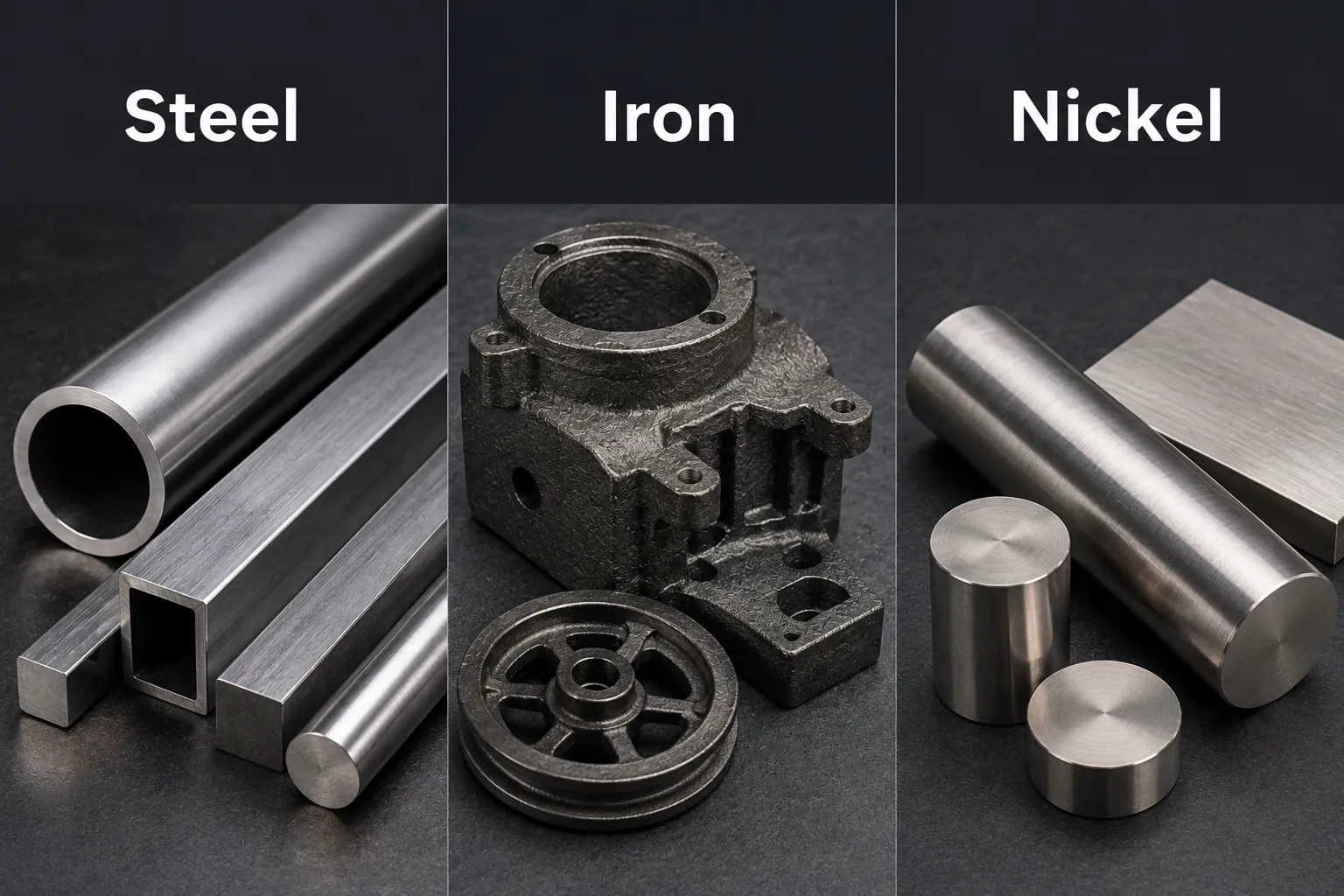
Magnetic metals like steel, iron, and nickel are commonly used in CNC machining for their strength and machinability. Steel, in particular, is favored for its versatility and workholding properties, while iron and nickel are chosen for their durability and wear resistance in specific CNC applications. Understanding the magnetic properties of these materials helps optimize CNC operations and ensures better precision.
- Steel: Known for excellent machinability and strong workholding capabilities.
- Iron: Offers high strength and durability in high-stress CNC applications.
- Nickel: Valued for its magnetic properties and corrosion resistance.
Choosing the right magnetic metals for CNC machining based on their properties enhances machining performance, especially in rapid manufacturing.
Non-Magnetic Metals in CNC Machining
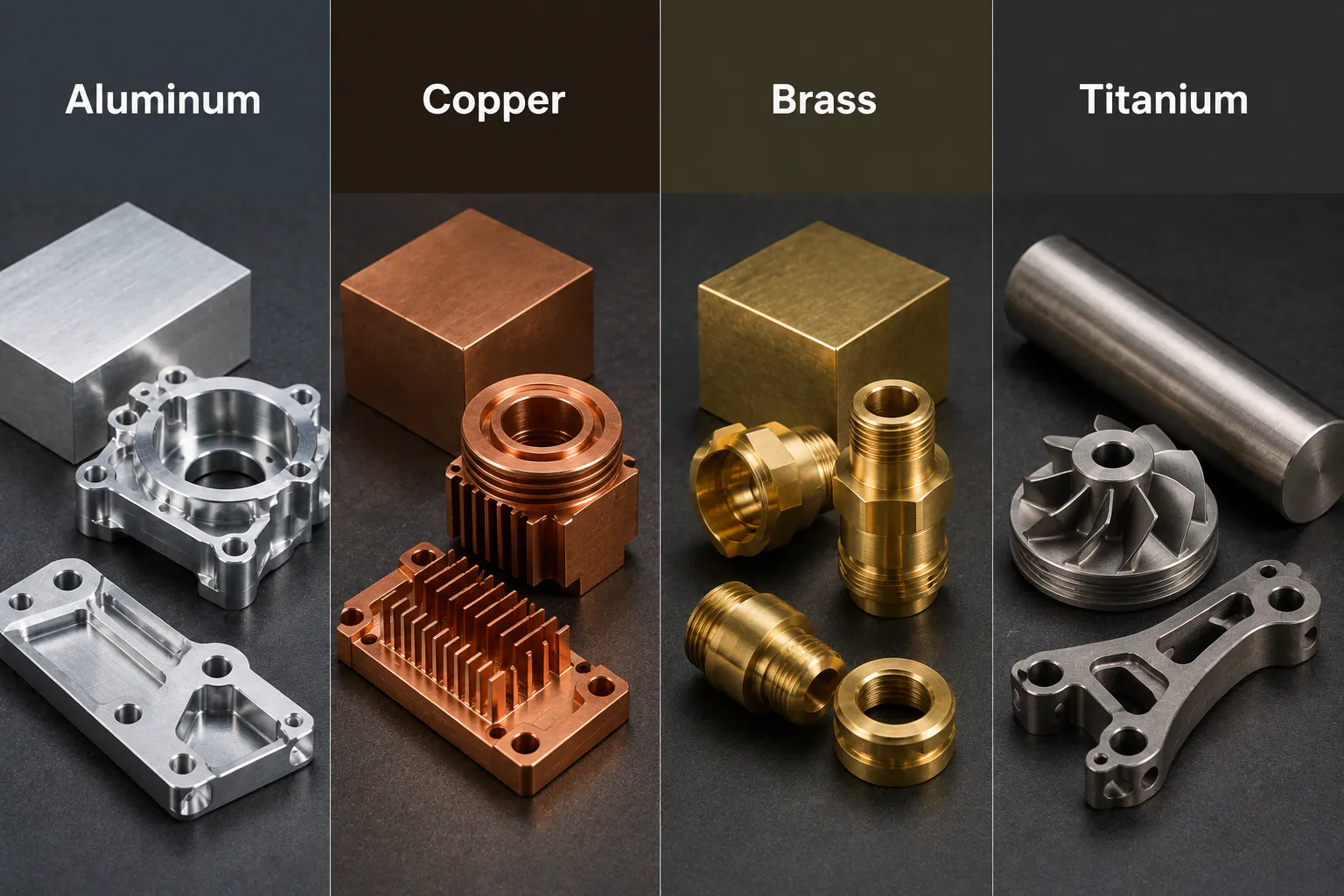
Non-magnetic metals like aluminum, copper, brass, and titanium are often preferred in CNC machining where magnetism could interfere with the process. These metals are lightweight, corrosion-resistant, and easy to machine, making them ideal for projects where precision is key. Using non-magnetic materials ensures smoother operations, especially in tasks that require high accuracy and minimal disruption from magnetic forces.
- Aluminum: Lightweight and corrosion-resistant, perfect for precision CNC work.
- Copper: Non-magnetic and great for electrical components and heat management.
- Brass: Known for its ease of machining and attractive finish in detailed projects.
Choosing non-magnetic metals helps streamline CNC machining, particularly in processes where magnetism could cause complications.
Material Selection in CNC: The Role of Magnetism
When selecting materials for CNC machining, understanding the magnetic properties of metals is crucial. Magnetic metals like steel require specialized tools and workholding systems due to their strong magnetic pull, which can impact machining precision. On the other hand, non-magnetic metals such as aluminum and copper offer smoother handling, as they don't interfere with magnetic clamping systems, making them easier to machine with less tool wear.
The choice between magnetic and non-magnetic materials also affects other aspects of CNC machining, such as tool compatibility and the overall machining process. For instance, non-magnetic metals are often preferred when minimizing tool vibration and increasing machining speed is important. Ultimately, understanding how magnetic properties influence machining helps ensure more efficient and accurate production.
Benefits and Challenges of Using Magnetic Metals in CNC
Magnetic metals are highly valued in CNC machining for their exceptional strength and durability, which make them ideal for high-stress applications. However, their magnetic properties can create challenges, particularly with workholding and tool wear. While they contribute to stability and precision, the magnetic forces can interfere with the clamping systems, requiring additional care during setup. The key to successful machining with magnetic materials lies in balancing their advantages with the potential complications they introduce into the process.
Non-Magnetic Metals: Benefits and Use Cases in CNC
Non-magnetic metals play a critical role in CNC machining, especially for applications that require materials free from magnetic interference. These materials are ideal for precise operations, ensuring tools and workholding systems function smoothly without disruptions. By choosing non-magnetic options, CNC professionals can avoid the complications associated with magnetic forces, enhancing the overall machining process, particularly in sensitive or intricate work.
- Improved tool longevity: Non-magnetic metals reduce wear on CNC tools, increasing their lifespan.
- Enhanced precision: The absence of magnetic interference helps maintain tight tolerances in sensitive machining tasks.
- Faster machining speeds: Non-magnetic materials generally require fewer adjustments and are easier to handle, improving machining efficiency.
Non-magnetic metals are a go-to choice when smooth, precise machining is essential, ensuring optimal performance in a wide range of CNC operations.
Key Metals Used in CNC Machining
In CNC machining, metals like steel, aluminum, copper, and titanium are frequently used due to their unique properties that suit various machining needs. Each material offers specific advantages, such as steel for its strength, aluminum for its lightweight nature, and copper for its excellent conductivity. Understanding the properties of these metals is crucial for selecting the right material for specific CNC applications, ensuring the best performance and outcome.
Aluminium in CNC Machining
Aluminium is widely used in CNC machining due to its non-magnetic properties and lightweight nature, making it ideal for applications that require precision without interference from magnetic forces. It is highly versatile, offering excellent machinability and corrosion resistance, which makes it suitable for many industries, from automotive to aerospace.
- Lightweight: Ideal for applications where weight is a concern.
- Corrosion-resistant: Great for parts exposed to moisture or harsh environments.
- Easy to machine: Provides excellent surface finish and tight tolerances.
Copper in CNC Machining
Copper’s non-magnetic and conductive properties make it a go-to material in CNC machining, particularly for electrical components and applications that require heat dissipation. Its excellent machinability also allows for precision work, especially in industries that require highly detailed components, such as electronics and aerospace.
- Highly conductive: Ideal for electrical and heat management applications.
- Non-magnetic: Ensures no interference with CNC tools or workholding.
- Great machinability: Produces smooth finishes with ease.
Stainless Steel in CNC Machining
Stainless steel is known for its strength, durability, and corrosion resistance, making it a popular choice for CNC machining in industries such as medical devices and aerospace. While it offers excellent performance, it can be more challenging to machine due to its hardness, often requiring specialized tools and techniques to prevent excessive tool wear.
- Corrosion-resistant: Ideal for parts exposed to harsh environments.
- Durable and strong: Suitable for high-stress applications.
- Requires specialized tooling: Harder to machine, leading to higher tool wear.
Brass in CNC Machining
Brass is an easy-to-machine metal that offers excellent machinability and is often used for precision parts and fittings. Its malleability makes it ideal for creating complex shapes with fine details, and it’s commonly used in CNC machining for electrical components, plumbing fittings, and decorative parts.
- Excellent machinability: Ideal for intricate, detailed components.
- Malleable: Easy to form into complex shapes.
- Corrosion-resistant: Performs well in humid and corrosive environments.
Mild Steel in CNC Machining
Mild steel is an affordable material often used in CNC machining for a wide range of applications, including automotive and manufacturing. Its strength and versatility make it suitable for various industries, though it can pose challenges in achieving high surface finishes due to its tendency to rust and corrode.
- Affordable: A cost-effective option for many CNC projects.
- Versatile: Suitable for a wide range of applications.
- Easy to machine: Offers good machinability, but can struggle with surface finishes.
Titanium in CNC Machining
Titanium is a high-performance metal used in demanding industries like aerospace and medical, known for its strength, lightweight, and corrosion resistance. While it offers excellent mechanical properties, it can be challenging to machine due to its hardness and heat resistance, often requiring specialized tools and techniques to prevent premature tool wear.
- High strength-to-weight ratio: Perfect for aerospace and high-performance applications.
- Corrosion-resistant: Performs well in extreme environments.
- Difficult to machine: Requires specialized tooling due to its hardness.
Conclusion: Choosing the Right Metal for CNC Machining
Selecting the right metal for CNC machining depends largely on the specific requirements of your project, including factors like strength, weight, and resistance to wear and corrosion. Magnetic metals are often chosen for their durability and strength, making them ideal for heavy-duty applications, but they may require specialized tooling and workholding systems. Non-magnetic metals, on the other hand, are preferred when precision, ease of machining, and resistance to magnetic interference are key priorities.
Understanding the properties of both magnetic and non-magnetic metals allows you to make more informed decisions based on the needs of your CNC machining process. By considering factors such as machinability, corrosion resistance, and the potential for magnetic interference, you can select the best material for the job, ensuring optimal performance and efficiency in your CNC operations.
Next Steps with Geomiq
If you’re designing parts that must withstand real-world mechanical loads, Geomiq can support you with:
- Material selection guidance
- Precision manufacturing services
- Engineering-ready production at scale
Explore Geomiq’s manufacturing solutions or request a quote to bring your designs to life.
FAQ
Can I machine non-magnetic metals like aluminum and copper with the same CNC tools used for magnetic metals?
How does the choice of material affect CNC machining speed and efficiency?
What is the impact of magnetism on CNC workholding systems?
Is it more cost-effective to use non-magnetic metals for CNC machining projects?
How do magnetic materials affect the maintenance of CNC machines?
Can I use magnetic metals in CNC machining for medical-grade parts?
About the author
Sam Al-Mukhtar
Mechanical Engineer, Founder and CEO of Geomiq
Mechanical Engineer, Founder and CEO of Geomiq, an online manufacturing platform for CNC Machining, 3D Printing, Injection Moulding and Sheet Metal fabrication. Our mission is to automate custom manufacturing, to deliver industry-leading service levels that enable engineers to innovate faster.