What Is Rapid Prototyping? A CNC Machining Guide for Functional Prototypes
Rapid prototyping is the process of quickly producing a physical part or model from a CAD design so engineers can test fit, function, form and manufacturability before full production. It helps teams identify design issues earlier, compare different versions of a part and reduce the risk of costly production changes.
For visual models and early concepts, 3D printing is often a practical starting point. But when a prototype needs to behave like the final production part, CNC machining is often the stronger choice. CNC rapid prototyping allows engineers to produce accurate parts from real metals and engineering plastics, making it suitable for functional testing, assembly checks, tolerance validation and low-volume production preparation.
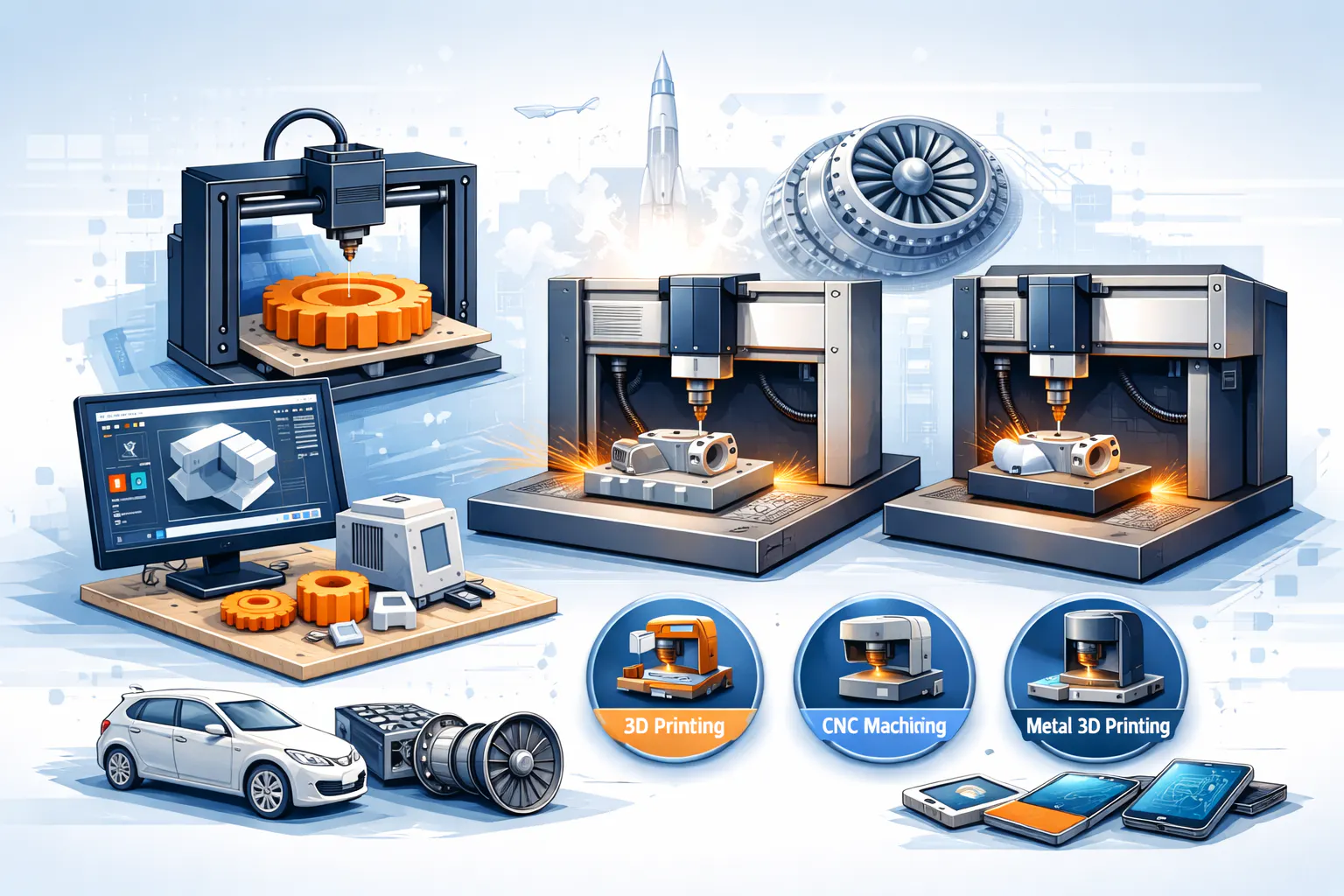
What is Rapid Prototyping?
Rapid prototyping is a product development method used to create physical prototypes quickly from digital CAD files. These prototypes can be simple concept models, visual samples, functional test parts or near-production components.
The right rapid prototyping method depends on what the prototype needs to prove. If the goal is to check shape, size or visual design, 3D printing may be enough. If the goal is to test strength, fit, tolerances, threads, surface finish or real material behaviour, CNC machining is usually more suitable.
Why CNC Machining Matters in Rapid Prototyping
CNC machining is important in rapid prototyping because it creates parts from solid blocks of production-grade metal or plastic. This makes the prototype more realistic for functional testing than many printed alternatives, especially when the part must withstand load, heat, friction, vibration or repeated assembly.
For engineers, the main advantage is confidence. A CNC machined prototype can be used to test whether the design performs as expected before committing to tooling, production batches or final assembly. This is especially useful for aerospace, automotive, robotics, medical device and industrial applications where dimensional accuracy and material performance are critical.
CNC machining is also useful when the prototype may later move into low-volume production. The same process can often support one-off prototypes, small batches and production runs, reducing the need to redesign the part around a different manufacturing method.
| Prototype Requirement | Best Method | Why It Matters |
|---|---|---|
| Tight tolerances | CNC machining | Produces accurate parts for fit, assembly and performance testing |
| Real metal properties | CNC machining | Uses production-grade metals, not printed substitutes |
| Complex internal geometry | 3D printing | Better for organic shapes, channels and lightweight structures |
| Smooth cosmetic finish | CNC machining or SLA | CNC gives machined surfaces; SLA works well for visual models |
| Early concept validation | 3D printing | Fast and cost-effective for shape and size checks |
| Functional load testing | CNC machining | Better for parts exposed to stress, heat or mechanical loads |
| Bridge to low-volume production | CNC machining | Supports prototypes and small batches without tooling |
CNC Machining vs 3D Printing for Rapid Prototyping
CNC machining and 3D printing are both useful in rapid prototyping, but they solve different problems. 3D printing is usually better for fast visual models and complex shapes. CNC machining is stronger when the prototype needs accurate dimensions, real material properties, threaded features, smooth surfaces or reliable functional performance.
This section is essential because the competitors cover this comparison, but Geomiq can make it more CNC-led. Hubs/Protolabs already states CNC is better for precision, smooth surfaces and tight tolerances, while 3D printing is stronger for complex geometries and rapid prototyping.
| Factor | CNC Machining | 3D Printing |
|---|---|---|
| Best for | Functional prototypes, metal parts, tight tolerances | Concept models, complex shapes, fast visual testing |
| Materials | Real metals and engineering plastics | Polymers, resins, powders and some metals |
| Accuracy | Strong for precision fits and machined features | Varies by process and material |
| Surface finish | Smooth machined finish, with secondary finishing options | Layer lines may need post-processing |
| Geometry | Limited by tool access and cutter size | Strong for internal channels and complex geometry |
| Cost efficiency | Better for functional parts and small production runs | Better for quick early iterations |
| Production relevance | Closer to final machined part behaviour | Useful for early validation, but may not match production material performance |
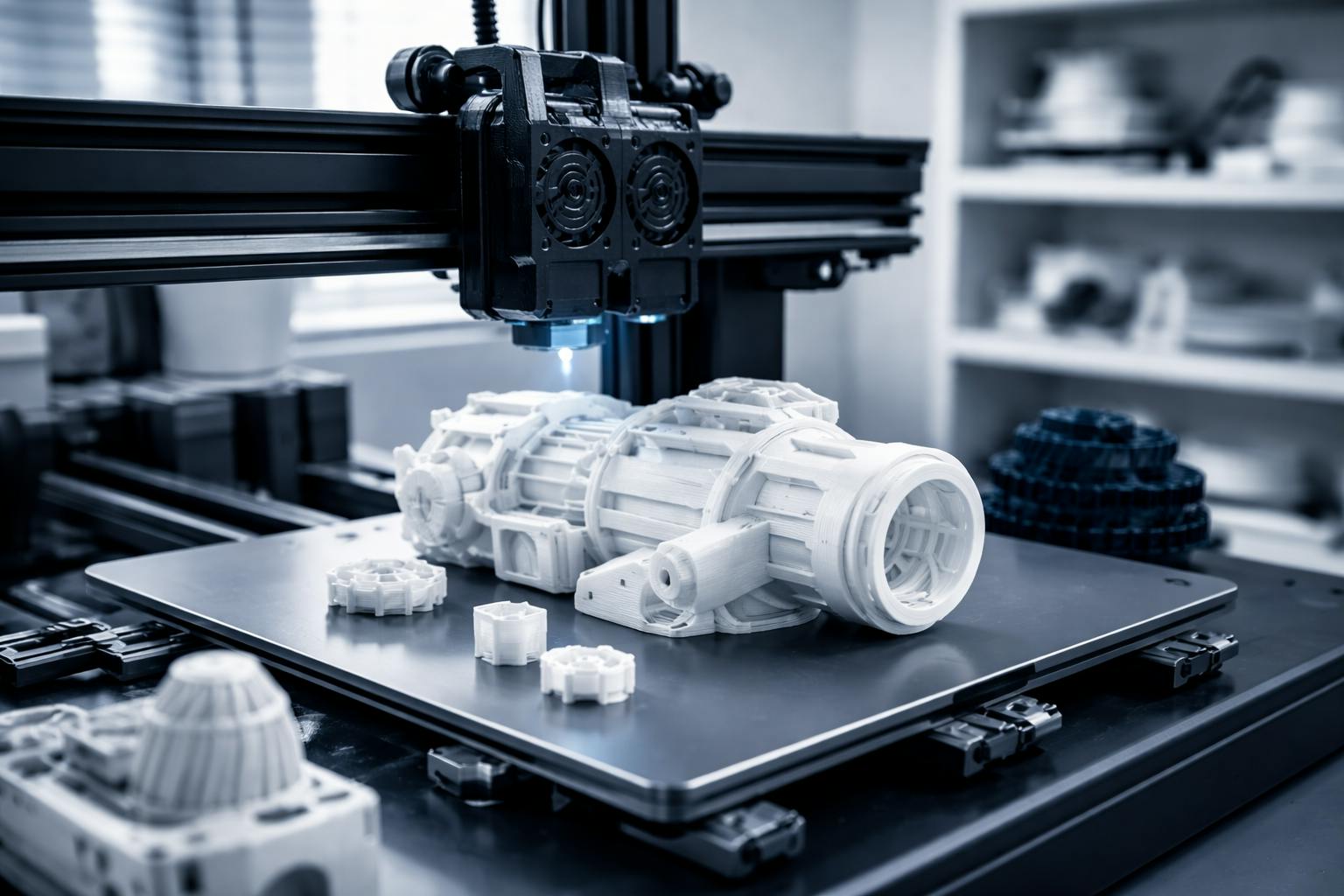
3D Printing for Rapid Prototyping
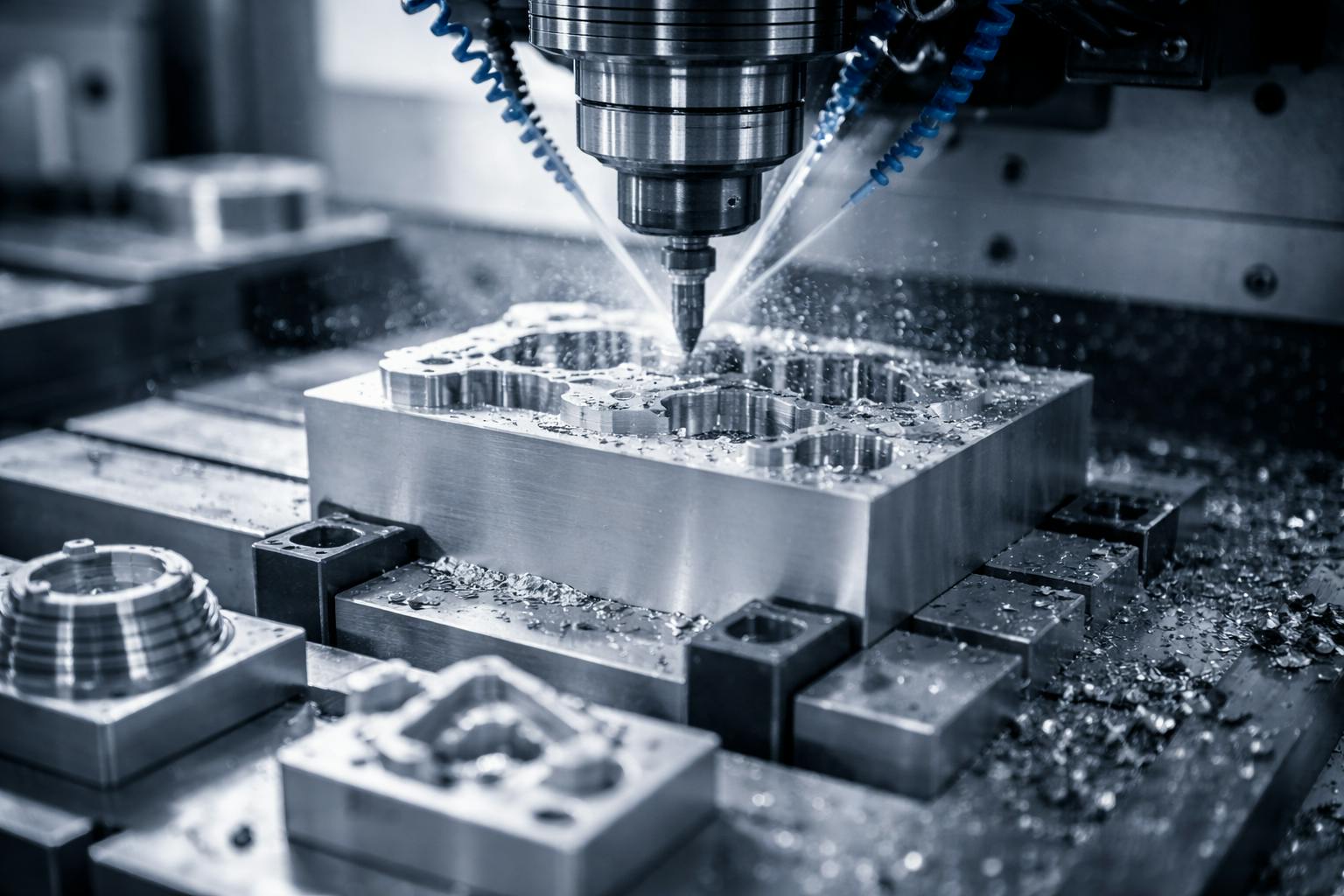
CNC Machining for Rapid Prototyping
Main Rapid Prototyping Methods
CNC Machining
CNC machining is a subtractive manufacturing process that removes material from a solid block of metal or plastic. It is commonly used for functional prototypes that need high accuracy, reliable material properties and a finish closer to the final production part. CNC milling, CNC turning and multi-axis machining can be used depending on the part geometry.
3D Printing
3D printing builds parts layer by layer and is useful for early-stage concept models, fast design iterations and complex geometries. It is often a good choice when the prototype is mainly used to check shape, size or visual design rather than final material behaviour.
Metal 3D Printing
Metal 3D printing can produce complex metal prototypes that may be difficult to machine conventionally. It is useful for lightweight structures, internal channels and specialist applications, but it can be more expensive and may require post-processing.
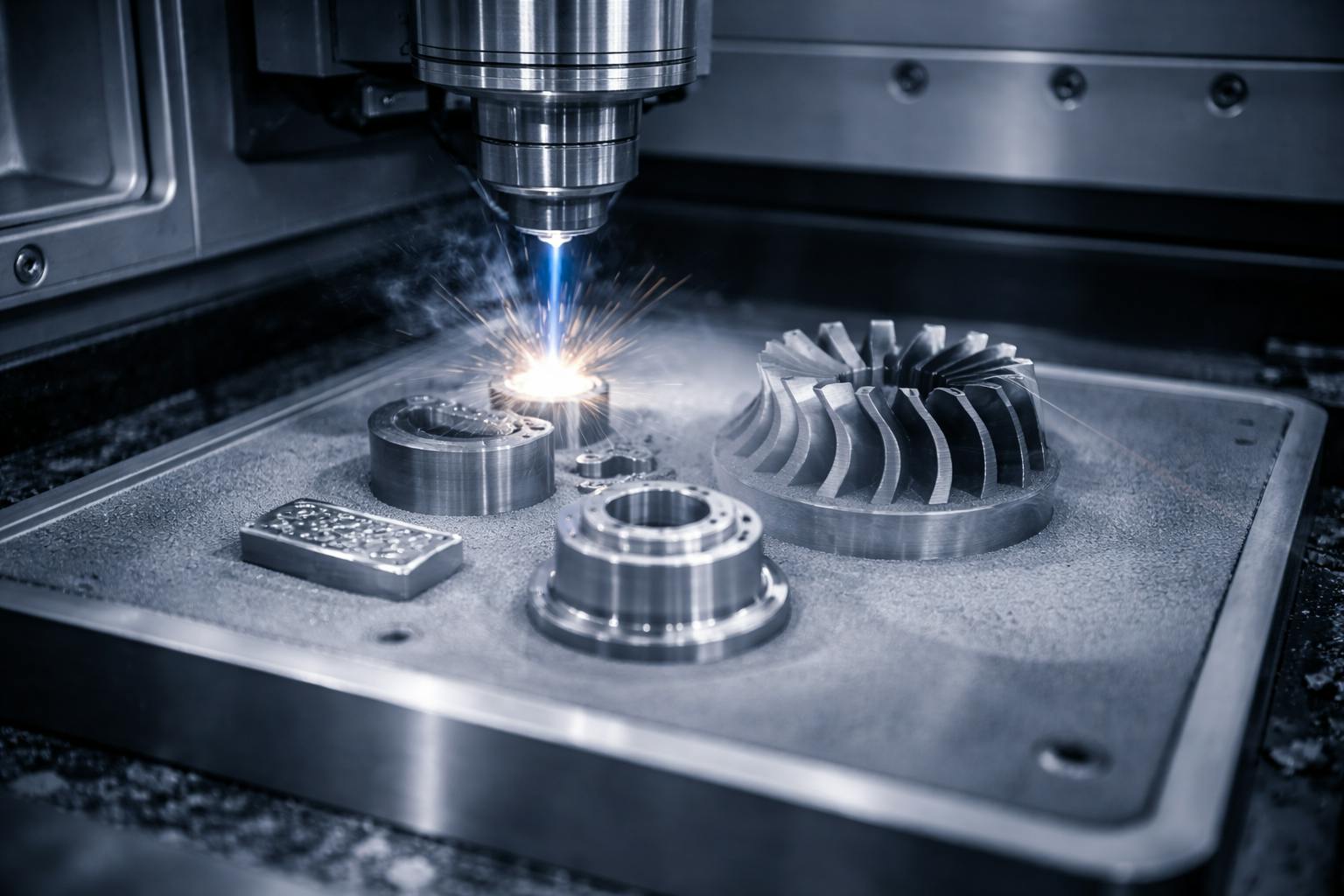
Metal 3D Printing
Injection Moulding and Vacuum Casting
These methods are usually better for later-stage prototypes, pre-production samples or low-volume batches where material behaviour, finish and repeatability need to be tested before full production tooling.
CNC Prototype Materials
The materials used in rapid prototyping are just as important as the tools themselves, as they determine the durability, functionality and overall performance of the prototype. Common materials include plastics like ABS and PLA for 3D printing, metals like aluminum and titanium for CNC prototyping and specialized resins for high-resolution models. Each material has its own set of properties that make it suitable for different applications, from flexible prototypes to high-strength parts.
Choosing the right material for rapid prototyping depends on factors like the part’s intended use, the required strength and the type of testing needed. For example, metal 3D printing is often used to create strong, functional prototypes for the aerospace or medical industries, while CNC prototyping is preferred for parts that need to withstand high stress or environmental conditions. The variety of materials available ensures that rapid prototyping can be applied in virtually any industry, providing flexibility and efficiency.
| Material | Best For | Notes |
|---|---|---|
| Aluminium | Housings, brackets, fixtures, lightweight parts | Strong balance of machinability, weight and cost |
| Stainless steel | Medical, industrial and corrosion-resistant prototypes | Suitable when strength and durability matter |
| Mild steel | Structural and load-bearing prototypes | Useful for robust industrial parts |
| Brass | Fittings, components, aesthetic prototypes | Machines well and gives a clean finish |
| Copper | Electrical and thermal prototypes | Useful where conductivity matters |
| POM/Acetal | Gears, bushings, low-friction prototypes | Good dimensional stability |
| Nylon | Functional plastic prototypes | Useful for wear-resistant components |
| PEEK | High-performance engineering prototypes | Suitable for demanding thermal or mechanical use cases |
Advantages and Disadvantages of Rapid Prototyping
Rapid prototyping offers many advantages that can speed up product development, but it also has some downsides. It’s important to weigh both the pros and cons to determine if it’s the best option for your project. Below is a comparison of the key benefits and challenges of rapid prototyping.
What are the Benefits of Rapid Prototyping?
Rapid prototyping speeds up product development by turning ideas into physical prototypes quickly. Using methods like CNC prototyping or 3D printing, designs can be tested and improved in no time. This process is especially useful for small production runs and allows businesses to refine designs before committing to mass production, making it a cost-effective option.
One of the main advantages is design flexibility, It’s easy to make changes to prototypes based on testing and feedback. This flexibility, along with the ability to produce complex parts affordably, makes rapid prototyping an essential tool for modern product development. Whether it’s CNC prototyping services or cheap CNC prototyping, businesses can experiment without breaking the bank.
What are the Drawbacks of Rapid Prototyping?
While rapid prototyping has its benefits, it also has some limitations. One challenge is the material options, many rapid prototypes don’t have the strength or durability of traditionally manufactured parts, especially when using methods like 3D printing. This is where CNC prototyping services can offer a better solution, especially for functional parts that need to withstand real-world conditions.
Another downside is that rapid prototyping might not be the best choice for large-scale production runs. While it’s great for testing and small batches, traditional manufacturing methods are often more efficient and cost-effective for high-volume production. Additionally, some methods may not offer the same level of precision needed for certain projects, making CNC machining prototype services a more reliable option when accuracy is crucial.
What Industries use Rapid Prototyping?
Rapid prototyping has become an essential tool across various industries, enabling businesses to quickly bring their ideas to life. By creating prototypes swiftly and affordably, companies can test, refine and optimize their designs before moving to full-scale production. This approach accelerates development timelines, reduces costs and improves product quality. The versatility of rapid prototyping makes it suitable for industries ranging from automotive to healthcare, where innovation and precision are crucial. In the following sections, we’ll explore how rapid prototyping is applied in different fields and the unique benefits it offers in each.
Industrial Applications
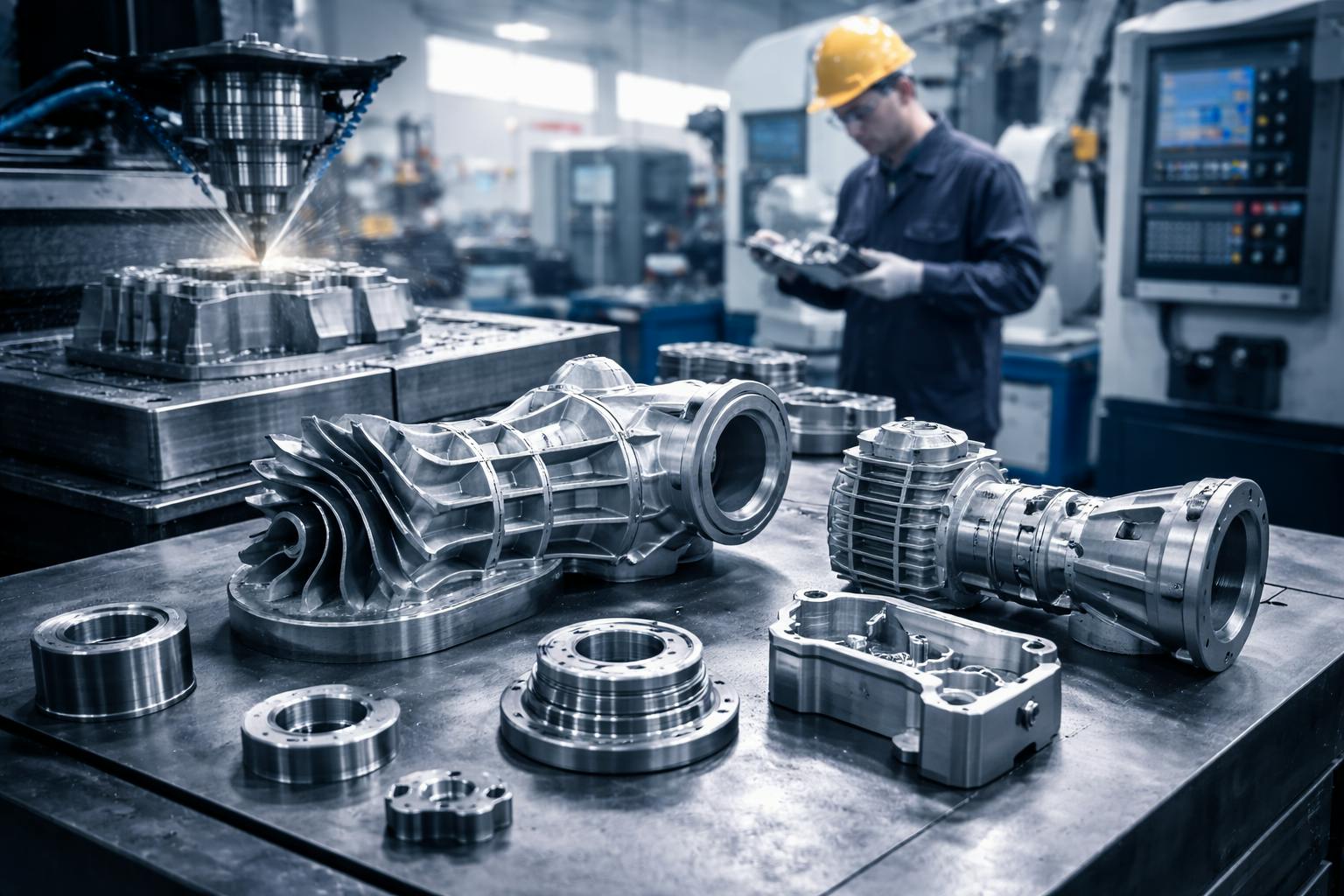
Rapid prototyping plays a crucial role in the industrial sector, helping manufacturers test and refine new machinery and equipment before full-scale production. Prototype manufacturing allows for faster iteration and testing of complex parts, reducing the risk of costly errors once the product is in production. Industries such as construction, energy and manufacturing benefit from rapid prototyping because it speeds up the development cycle and ensures that functional prototypes meet the necessary performance standards.
By using methods like CNC prototyping, industrial companies can produce highly detailed, durable parts for testing and validation. These prototypes are often put through rigorous tests to ensure they meet the demands of harsh operating environments. Whether for prototype CNC parts or specialized components, rapid prototyping allows businesses to reduce the time spent on design iterations, ultimately lowering production costs and improving overall efficiency.
Automotive and Aerospace
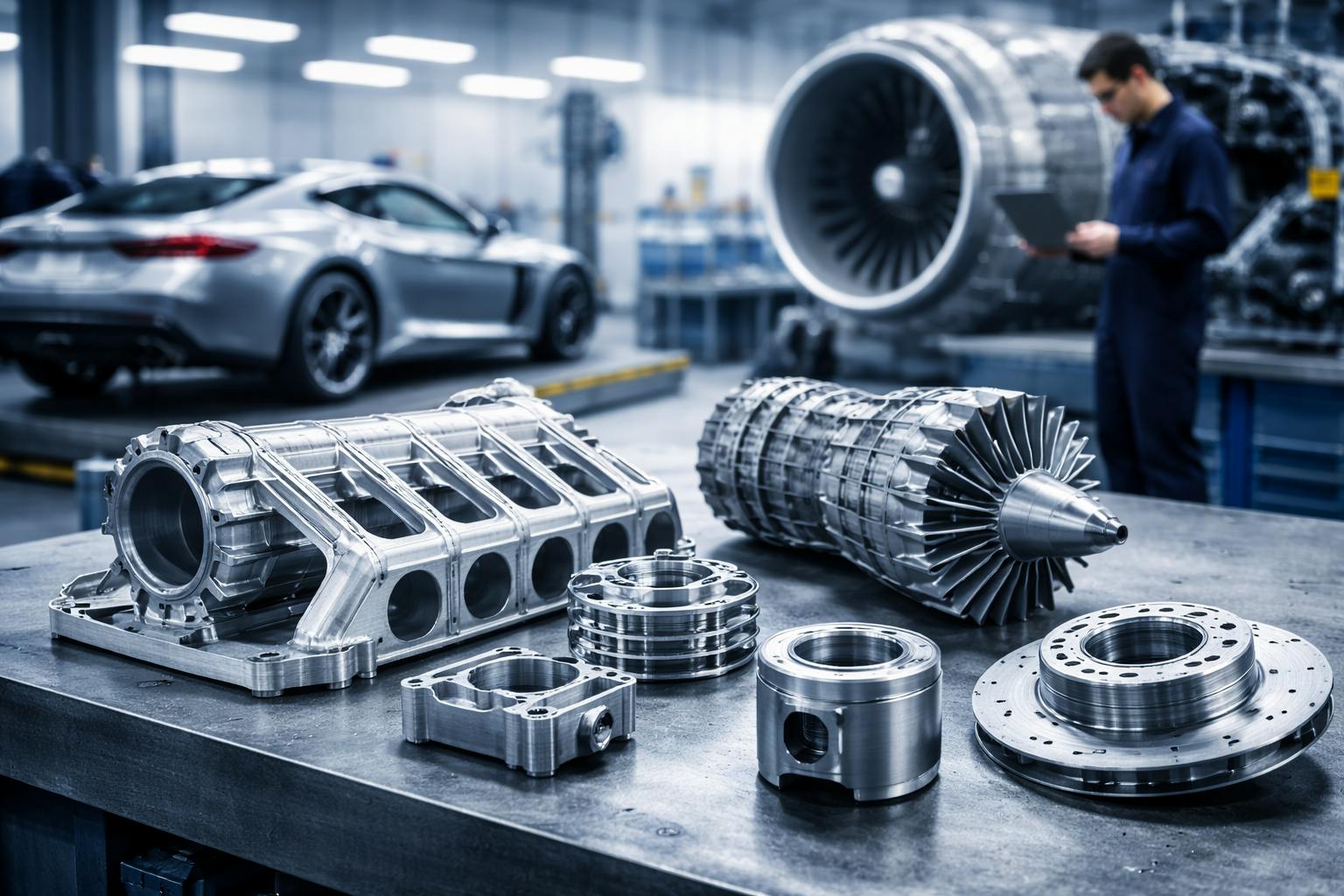
In the automotive and aerospace industries, rapid prototyping is used to create complex components that are both lightweight and durable. In aerospace, where precision is key, CNC prototyping services can produce parts that meet strict safety and performance requirements. Rapid prototyping helps engineers test designs before they are mass-produced, reducing the risk of mistakes and ensuring a faster time to market. It’s especially useful in both industries when creating functional prototypes that need to be rigorously tested for aerodynamics and performance.
For automotive applications, 3D printing and CNC rapid prototypes are used to create everything from engine parts to dashboard components. These rapid prototypes are often tested for strength, fit and functionality, helping to optimize designs for both performance and cost. By embracing rapid prototyping, the automotive and aerospace sectors can save significant time and money, all while ensuring their parts are ready for high-performance applications.
Consumer Products and Electronics
In the consumer products and electronics industries, rapid prototyping is used to develop everything from gadgets to home appliances. With rapid prototyping description, designers can quickly move from concept to prototype, testing form, function and usability. This process allows for faster feedback and iteration, ultimately resulting in better products for consumers. Whether it's a smartphone case or a new kitchen appliance, prototyping rapid enables manufacturers to test designs and functionality before committing to mass production.
The flexibility of 3D printing and CNC prototyping allows for a wide range of materials to be tested, from plastics to metals, ensuring the final product is durable and functional. As technology evolves, the need for faster, more efficient prototyping is becoming increasingly important in the consumer electronics market. By using rapid prototyping, companies can accelerate their development timelines and create products that stand out in a competitive market.

Medical Devices and Healthcare
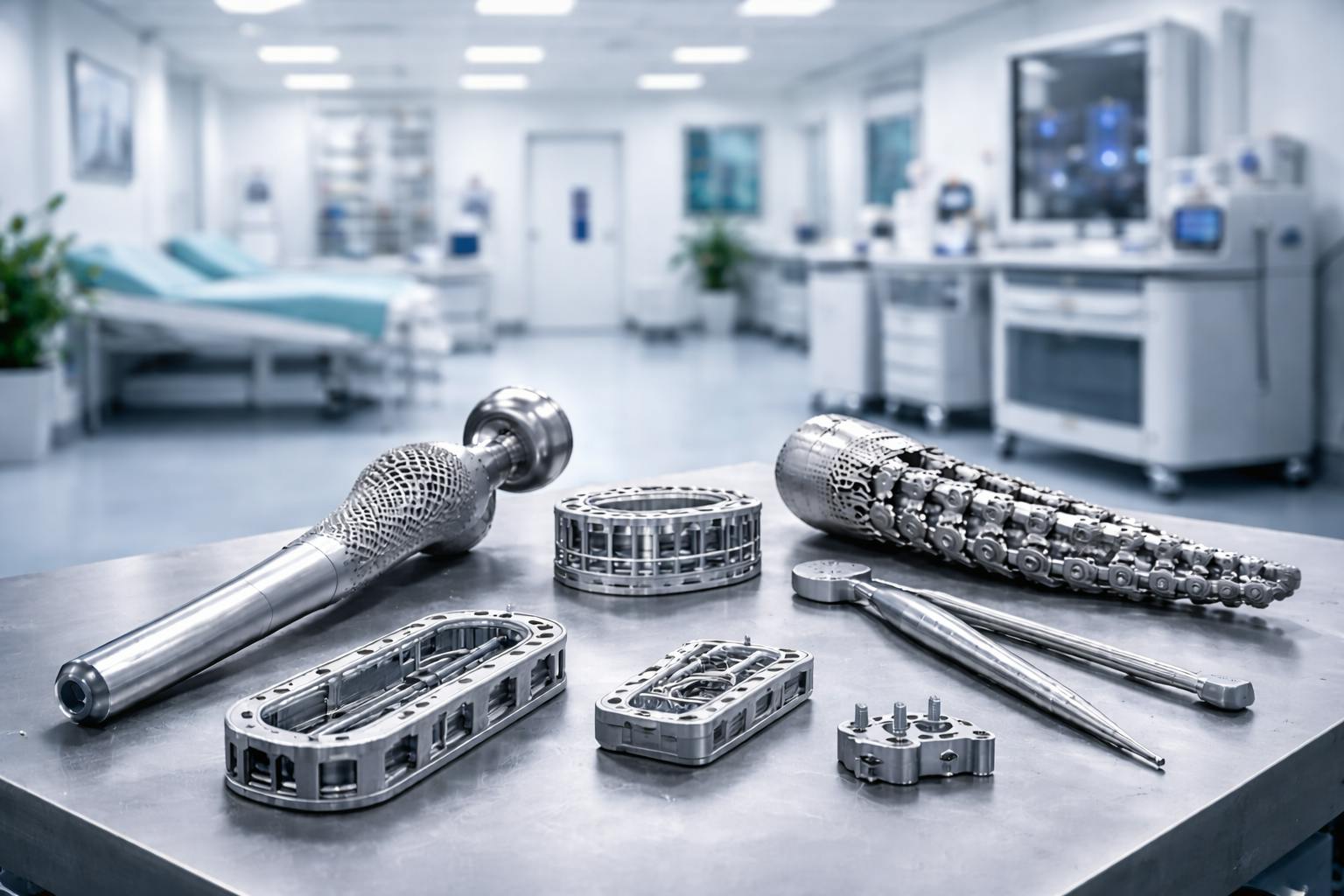
Rapid prototyping is transforming the medical device and healthcare industries by enabling the creation of accurate and functional prototypes for new medical devices. 3D printing and CNC prototyping are used to create everything from surgical tools to implants, allowing for rapid testing and refinement. These prototypes help medical professionals ensure that devices are functional, safe and meet regulatory standards before they go into production. In addition, rapid prototyping allows for customized devices tailored to individual patient needs, improving patient care.
For healthcare applications, metal 3D printing is often used to create complex, high-strength components like implants and prosthetics. These prototypes are tested for fit, function and durability, ensuring that they perform well in real-world medical environments. The flexibility and speed offered by rapid prototyping make it an essential tool in the development of innovative medical devices, enabling healthcare companies to bring new products to market quickly and efficiently.
Getting Started with Rapid Prototyping
Getting started with rapid prototyping means choosing the right method, materials and technology for your project. The goal is to quickly develop and test your design before mass production. Whether you need a CNC rapid prototype or a 3D printed prototype, understanding the process will help you make the best decision for your needs.
By aligning your goals with the right method, you’ll save time and money. Choosing between additive or subtractive manufacturing methods like CNC prototyping or 3D printing depends on factors such as material requirements and design complexity.
How to Choose the Right Prototyping Method?
To choose the right method, first consider your project’s needs. If precision and durability are essential, CNC prototyping is ideal. For quick, complex designs, 3D printing is a better fit. Understanding what you want to achieve with your prototype will help determine the best approach.
Also, think about the materials you need. CNC prototyping is great for metals, while 3D printing excels with plastics and resins. Evaluating these factors will guide you to the right choice for your prototype.
Conclusion: Transform Your Designs with Rapid Prototyping
Rapid prototyping has revolutionized the way designers and engineers bring their ideas to life. It allows for fast, cost-effective creation of prototypes, helping to test and refine designs before full-scale production. By using techniques like 3D printing and CNC prototyping, you can quickly transform concepts into tangible models that can be tested and improved. This process not only saves time but also reduces the risk of costly errors during manufacturing.
With rapid prototyping, industries ranging from automotive to healthcare can innovate faster and create better products. Whether it’s for testing functionality or improving design, the ability to iterate quickly with a rapid prototype ensures products meet the highest standards before hitting the market. Embrace the power of rapid prototyping to accelerate your product development and stay ahead of the competition.
FAQ
What is CNC rapid prototyping?
Is CNC machining good for rapid prototyping?
When is CNC machining better than 3D printing for prototypes?
What materials can be used for CNC prototypes?
How much does a CNC prototype cost?
How fast can CNC prototypes be made?
Can CNC machining be used for low-volume production after prototyping?
About the author
Sam Al-Mukhtar
Mechanical Engineer, Founder and CEO of Geomiq
Mechanical Engineer, Founder and CEO of Geomiq, an online manufacturing platform for CNC Machining, 3D Printing, Injection Moulding and Sheet Metal fabrication. Our mission is to automate custom manufacturing, to deliver industry-leading service levels that enable engineers to innovate faster.