What is Rapid Prototyping? Methods, Tools and Applications
Rapid prototyping is a game-changing process in product development that lets designers and engineers quickly turn their ideas into physical models. By speeding up the creation of prototypes, it allows for faster testing and refining of designs, helping teams improve their concepts in record time.
This quick-turnaround approach has transformed industries like manufacturing, automotive, aerospace and consumer electronics. It gives teams the chance to test and tweak their designs before diving into mass production, leading to better products, fewer mistakes and ultimately, less time and money spent.
Types of Rapid Prototyping
When it comes to rapid prototyping, there are several methods available, each offering unique advantages depending on the project requirements. These methods range from additive manufacturing to subtractive manufacturing and they both play an essential role in prototype manufacturing. Whether you're looking for cheap CNC prototyping or a more complex CNC rapid prototype, each method brings a specific set of benefits to the table.
In this section, we'll briefly cover the two most commonly used types of rapid prototyping: additive manufacturing (3D printing) and subtractive manufacturing (CNC machining). Both approaches are pivotal in manufacturing and prototyping, but they work in very different ways.
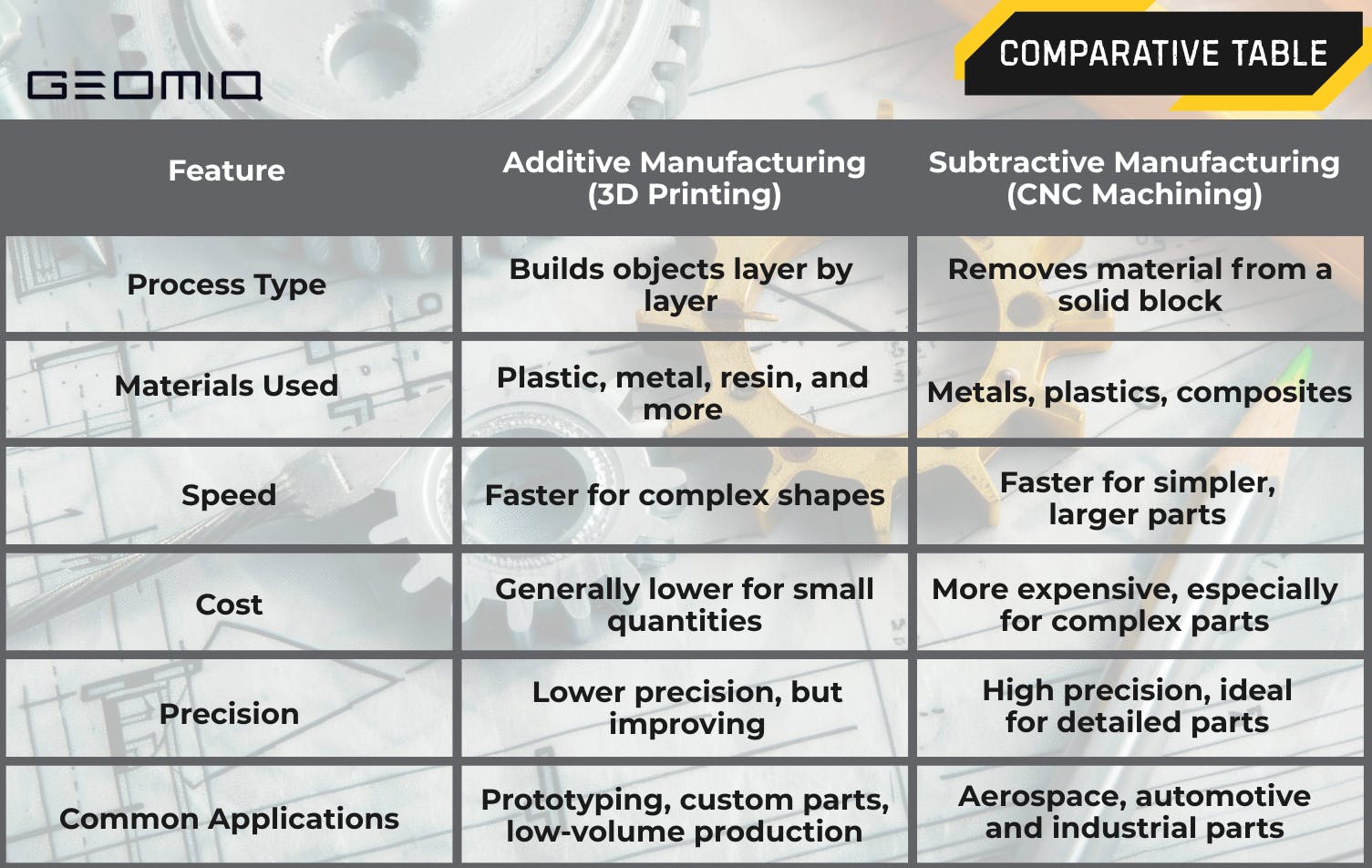
Common Rapid Prototyping Processes
Rapid prototyping is the process of quickly creating a prototype to test and validate a design before full production. It speeds up the product development cycle by allowing designers and engineers to make adjustments quickly and efficiently. Some of the most popular methods for prototype manufacturing include 3D printing, CNC machining and metal 3D printing. These processes allow companies to test their designs with real-world models, reducing costs and time to market. By using fast prototyping techniques, businesses can iterate on their ideas faster and more affordably.
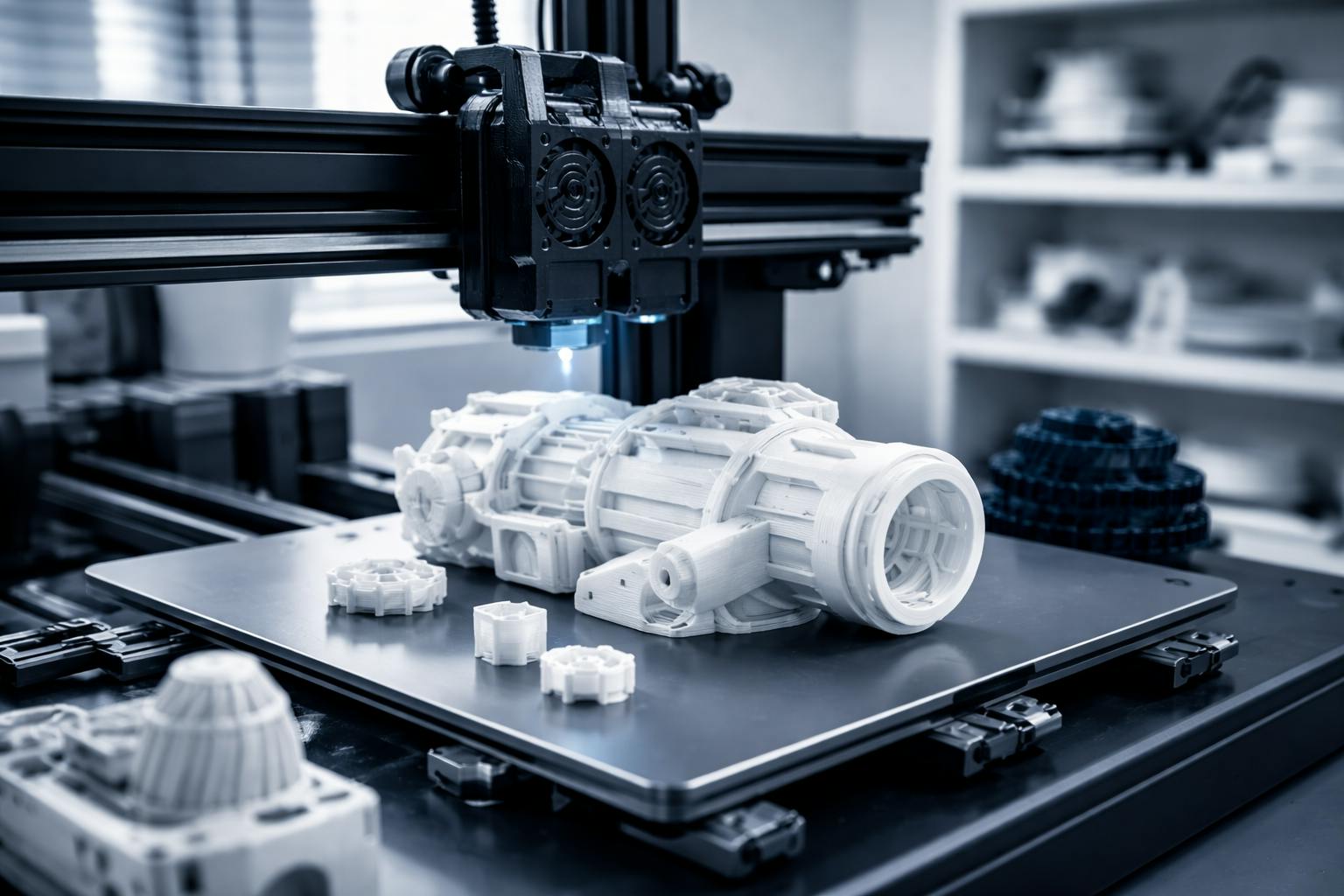
3D Printing for Rapid Prototyping
3D printing is one of the most widely used methods for rapid prototyping because it allows for fast and flexible creation of prototypes. By adding material layer by layer, 3D printing can produce complex shapes with ease, which is ideal for testing designs that would be hard to create using traditional methods. It’s commonly used for making prototypes in industries like consumer electronics and automotive. This process is also more affordable and accessible, especially for small production runs or when rapid iteration is needed. 3D printing offers a quick and cost-effective way to create prototypes that can be tested and refined quickly.
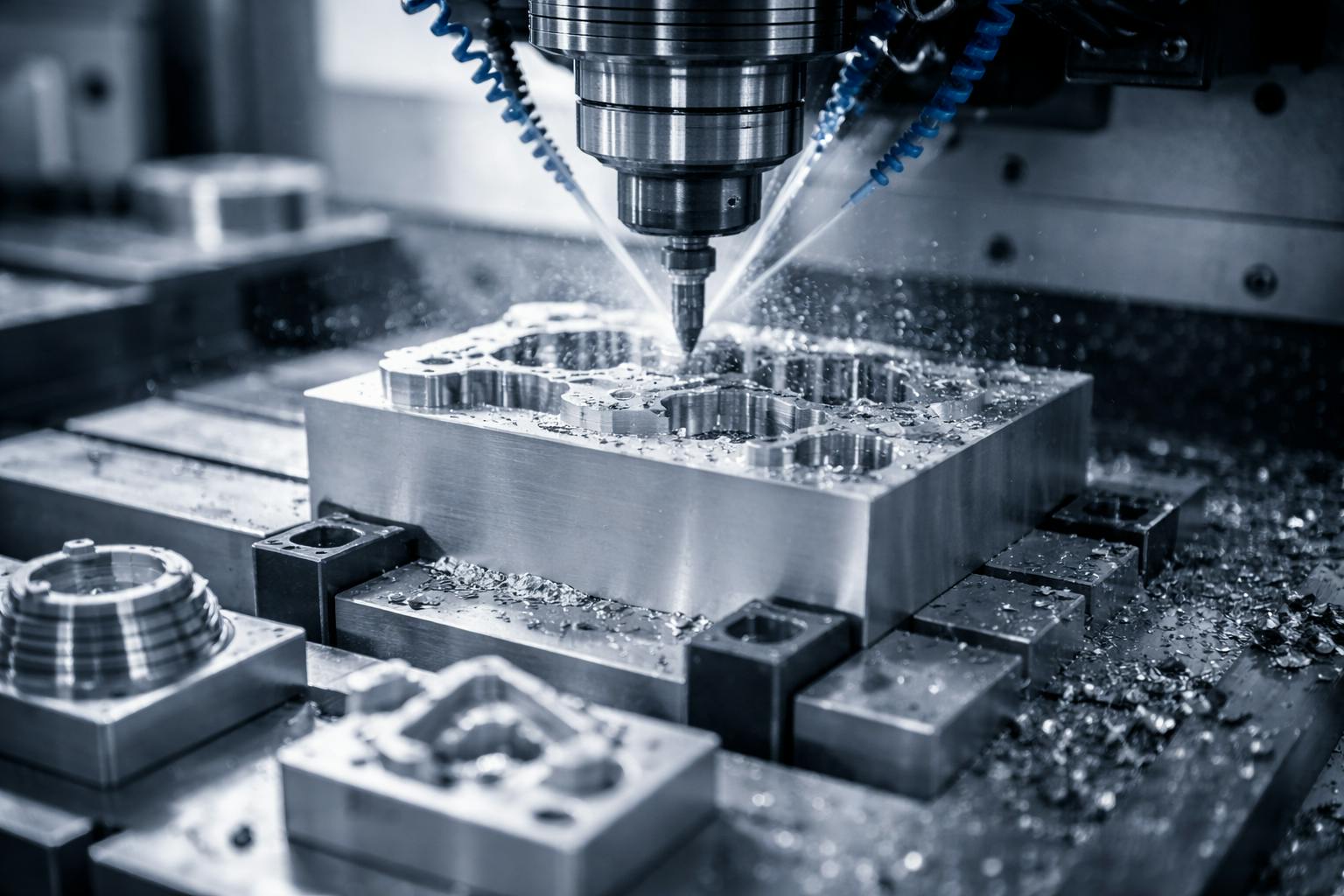
CNC Machining for Rapid Prototyping
CNC machining is a subtractive process that uses precision tools to carve away material from a solid block to create a part. It’s often used for rapid prototyping when the parts need to be made from durable materials like metal or plastic. CNC machining is highly accurate and works well for producing parts that will eventually be used in production. It’s perfect for industries where functionality and precision are crucial, such as aerospace or automotive. Unlike 3D printing, CNC machining can produce highly detailed parts with smooth finishes, making it a reliable method for prototypes that need to meet specific mechanical properties.
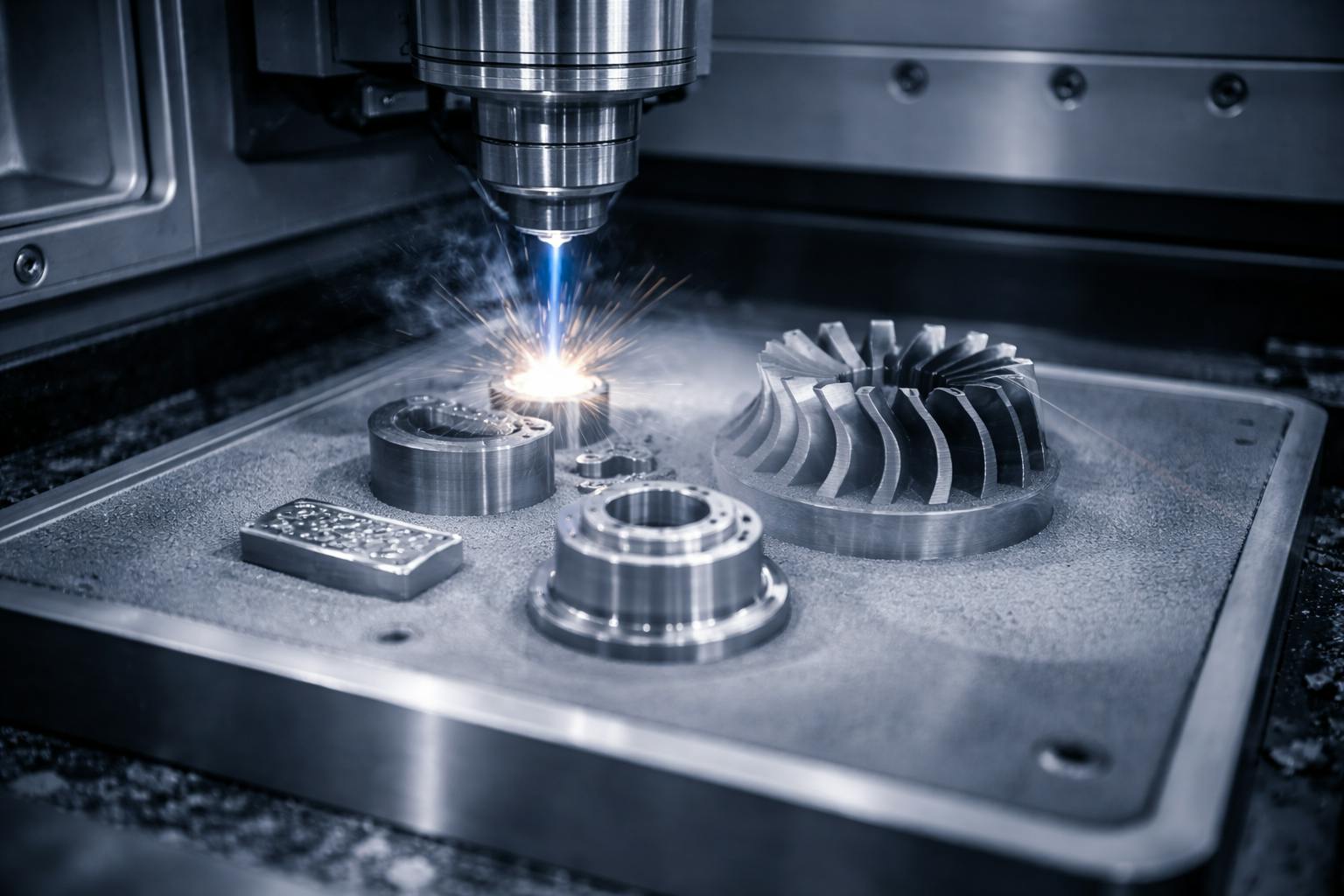
Metal 3D Printing
Metal 3D printing is an advanced form of rapid prototyping that uses metal powders and lasers to build parts layer by layer. This method is great for creating functional, strong prototypes that need to withstand real-world conditions. It’s especially useful in industries like aerospace or medical, where parts must have high strength and durability. Metal 3D printing offers the flexibility to create complex geometries that are hard to achieve with traditional manufacturing methods. It’s an ideal option when high-performance prototypes are required for testing and development.
How Geomiq Works
Advantages and Disadvantages of Rapid Prototyping
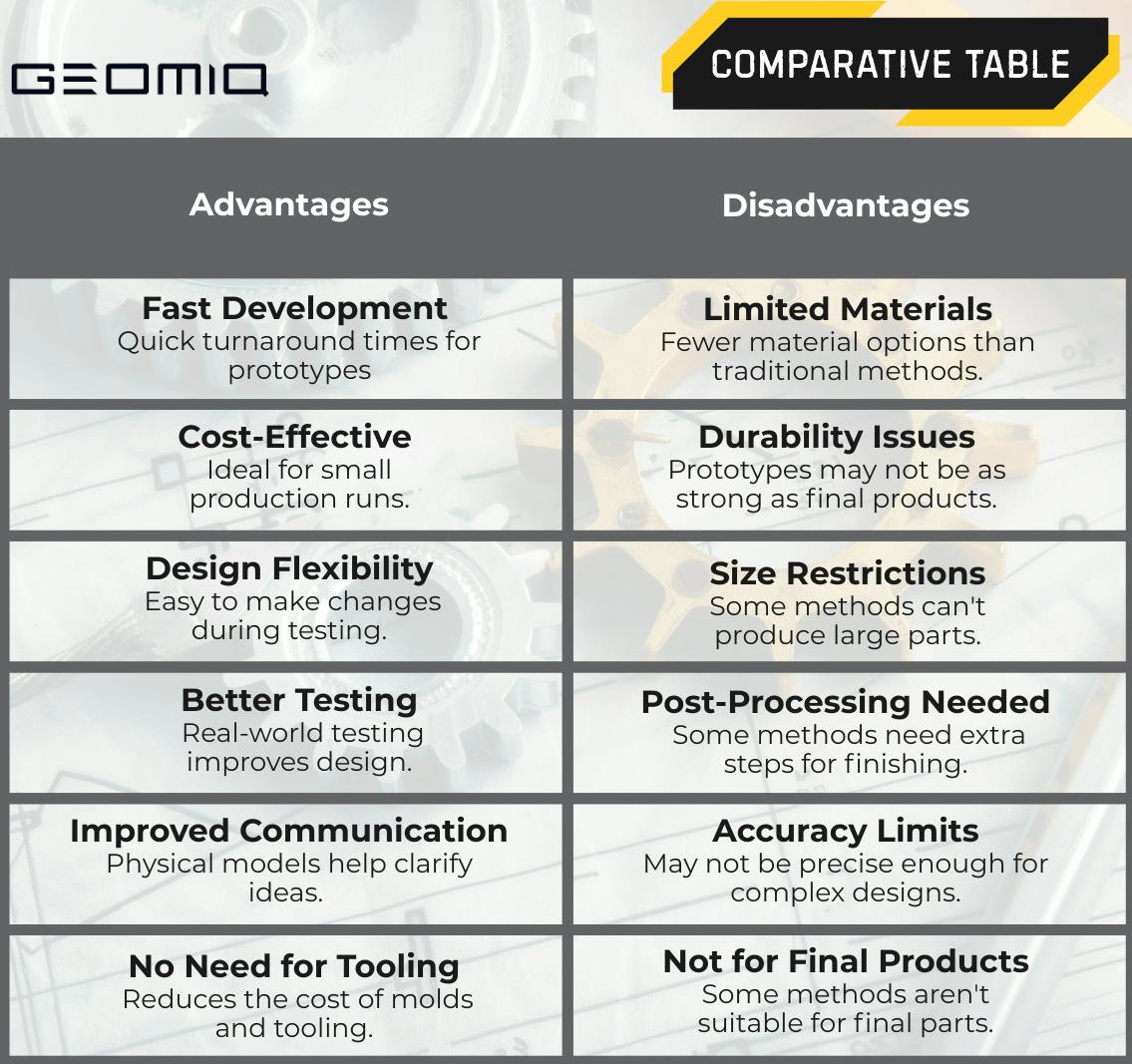
Rapid prototyping offers numerous benefits that can help streamline product development, but like any process, it has its drawbacks. Understanding both the advantages and disadvantages is essential when deciding if it's the right approach for your project. Below is a comparison of the main pros and cons of rapid prototyping.
Benefits of Rapid Prototyping
Rapid prototyping speeds up product development by turning ideas into physical prototypes quickly. Using methods like CNC prototyping or 3D printing, designs can be tested and improved in no time. This process is especially useful for small production runs and allows businesses to refine designs before committing to mass production, making it a cost-effective option.
One of the main advantages is design flexibility, It’s easy to make changes to prototypes based on testing and feedback. This flexibility, along with the ability to produce complex parts affordably, makes rapid prototyping an essential tool for modern product development. Whether it’s CNC prototyping services or cheap CNC prototyping, businesses can experiment without breaking the bank.
Drawbacks of Rapid Prototyping
While rapid prototyping has its benefits, it also has some limitations. One challenge is the material options, many rapid prototypes don’t have the strength or durability of traditionally manufactured parts, especially when using methods like 3D printing. This is where CNC prototyping services can offer a better solution, especially for functional parts that need to withstand real-world conditions.
Another downside is that rapid prototyping might not be the best choice for large-scale production runs. While it’s great for testing and small batches, traditional manufacturing methods are often more efficient and cost-effective for high-volume production. Additionally, some methods may not offer the same level of precision needed for certain projects, making CNC machining prototype services a more reliable option when accuracy is crucial.
Application Areas of Rapid Prototyping
Rapid prototyping has become an essential tool across various industries, enabling businesses to quickly bring their ideas to life. By creating prototypes swiftly and affordably, companies can test, refine and optimize their designs before moving to full-scale production. This approach accelerates development timelines, reduces costs and improves product quality. The versatility of rapid prototyping makes it suitable for industries ranging from automotive to healthcare, where innovation and precision are crucial. In the following sections, we’ll explore how rapid prototyping is applied in different fields and the unique benefits it offers in each.
Industrial Applications
Rapid prototyping plays a crucial role in the industrial sector, helping manufacturers test and refine new machinery and equipment before full-scale production. Prototype manufacturing allows for faster iteration and testing of complex parts, reducing the risk of costly errors once the product is in production. Industries such as construction, energy and manufacturing benefit from rapid prototyping because it speeds up the development cycle and ensures that functional prototypes meet the necessary performance standards.
By using methods like CNC prototyping, industrial companies can produce highly detailed, durable parts for testing and validation. These prototypes are often put through rigorous tests to ensure they meet the demands of harsh operating environments. Whether for prototype CNC parts or specialized components, rapid prototyping allows businesses to reduce the time spent on design iterations, ultimately lowering production costs and improving overall efficiency.
Automotive and Aerospace
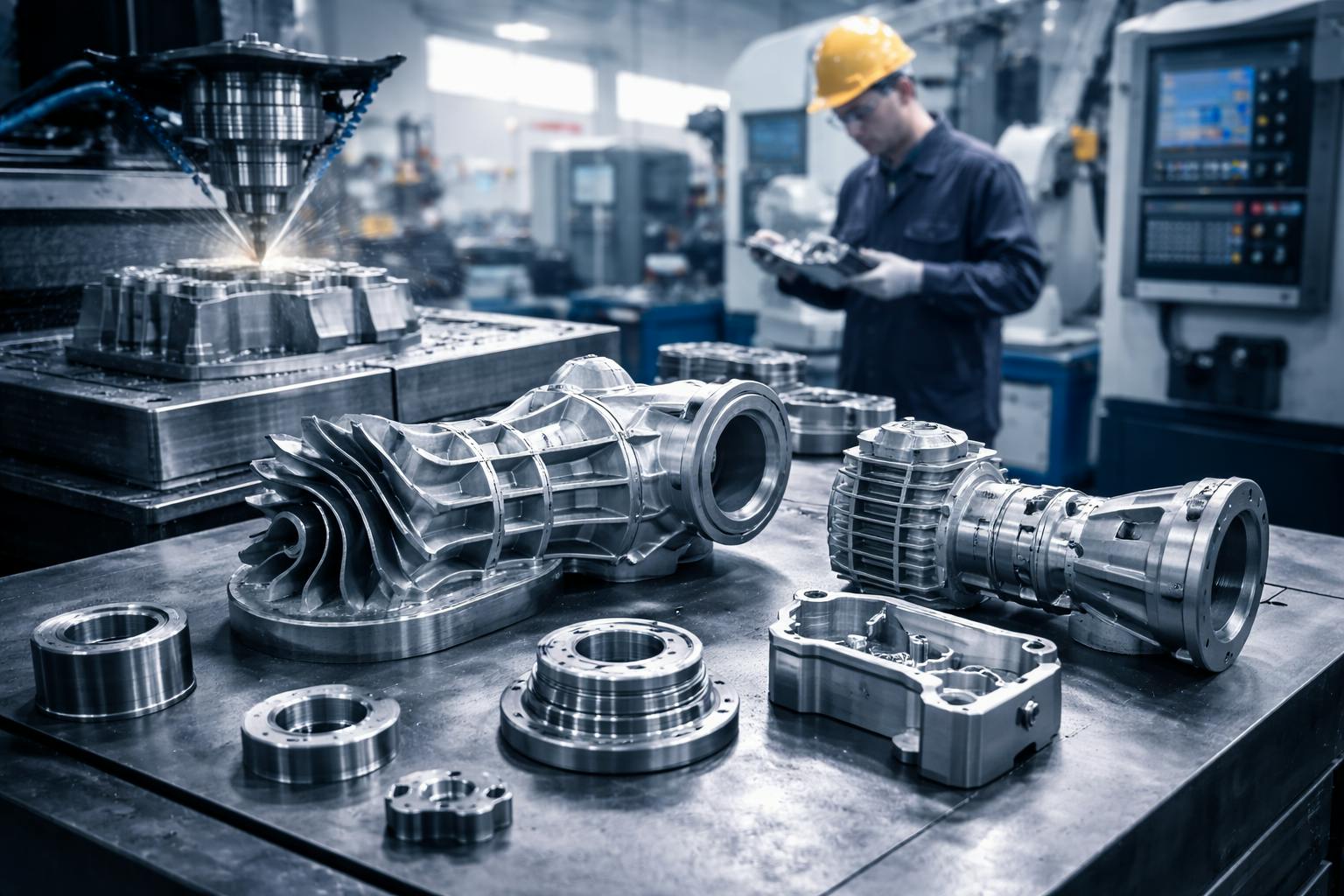
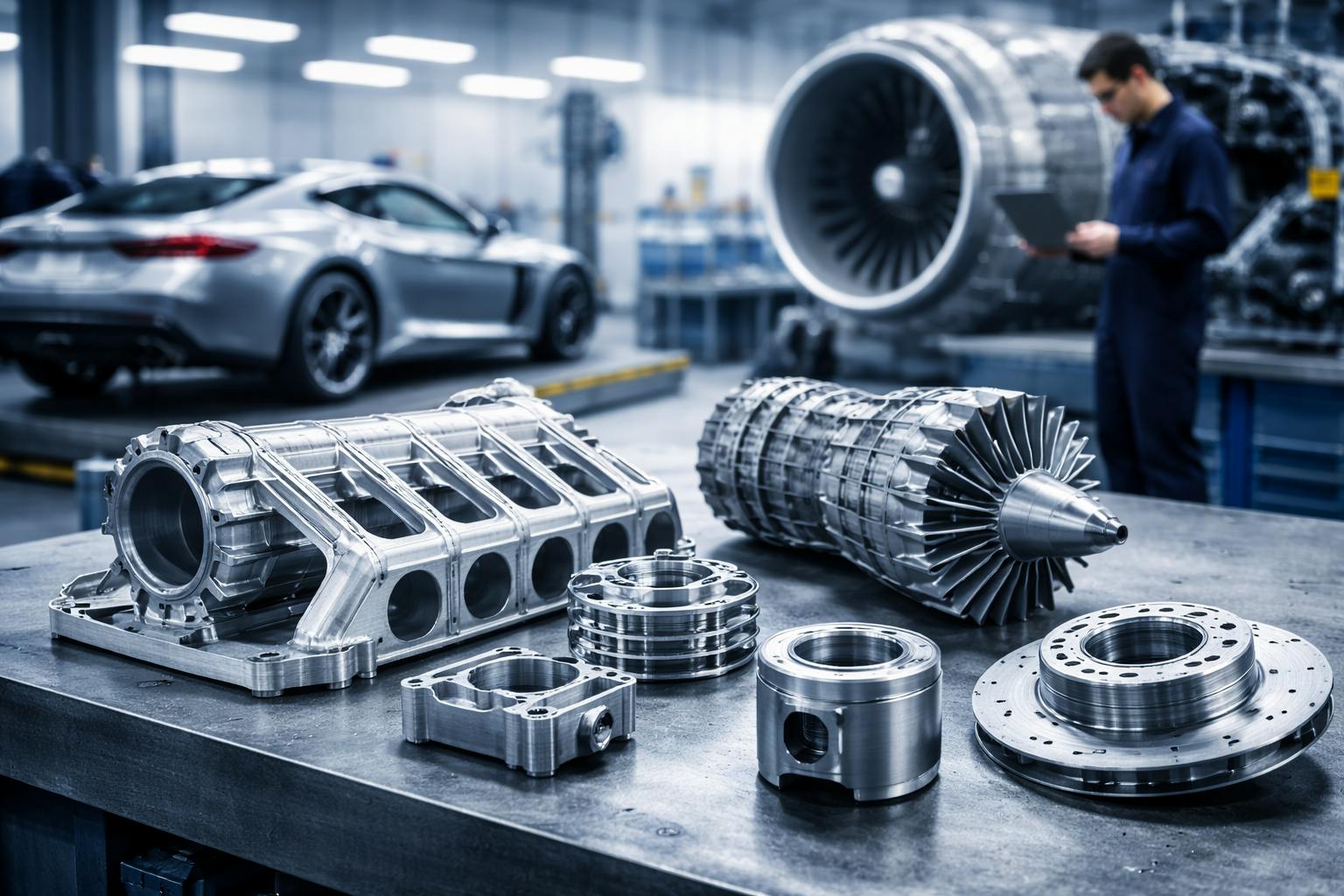
In the automotive and aerospace industries, rapid prototyping is used to create complex components that are both lightweight and durable. In aerospace, where precision is key, CNC prototyping services can produce parts that meet strict safety and performance requirements. Rapid prototyping helps engineers test designs before they are mass-produced, reducing the risk of mistakes and ensuring a faster time to market. It’s especially useful in both industries when creating functional prototypes that need to be rigorously tested for aerodynamics and performance.
For automotive applications, 3D printing and CNC rapid prototypes are used to create everything from engine parts to dashboard components. These rapid prototypes are often tested for strength, fit and functionality, helping to optimize designs for both performance and cost. By embracing rapid prototyping, the automotive and aerospace sectors can save significant time and money, all while ensuring their parts are ready for high-performance applications.
Consumer Products and Electronics
In the consumer products and electronics industries, rapid prototyping is used to develop everything from gadgets to home appliances. With rapid prototyping description, designers can quickly move from concept to prototype, testing form, function and usability. This process allows for faster feedback and iteration, ultimately resulting in better products for consumers. Whether it's a smartphone case or a new kitchen appliance, prototyping rapid enables manufacturers to test designs and functionality before committing to mass production.
The flexibility of 3D printing and CNC prototyping allows for a wide range of materials to be tested, from plastics to metals, ensuring the final product is durable and functional. As technology evolves, the need for faster, more efficient prototyping is becoming increasingly important in the consumer electronics market. By using rapid prototyping, companies can accelerate their development timelines and create products that stand out in a competitive market.

Medical Devices and Healthcare
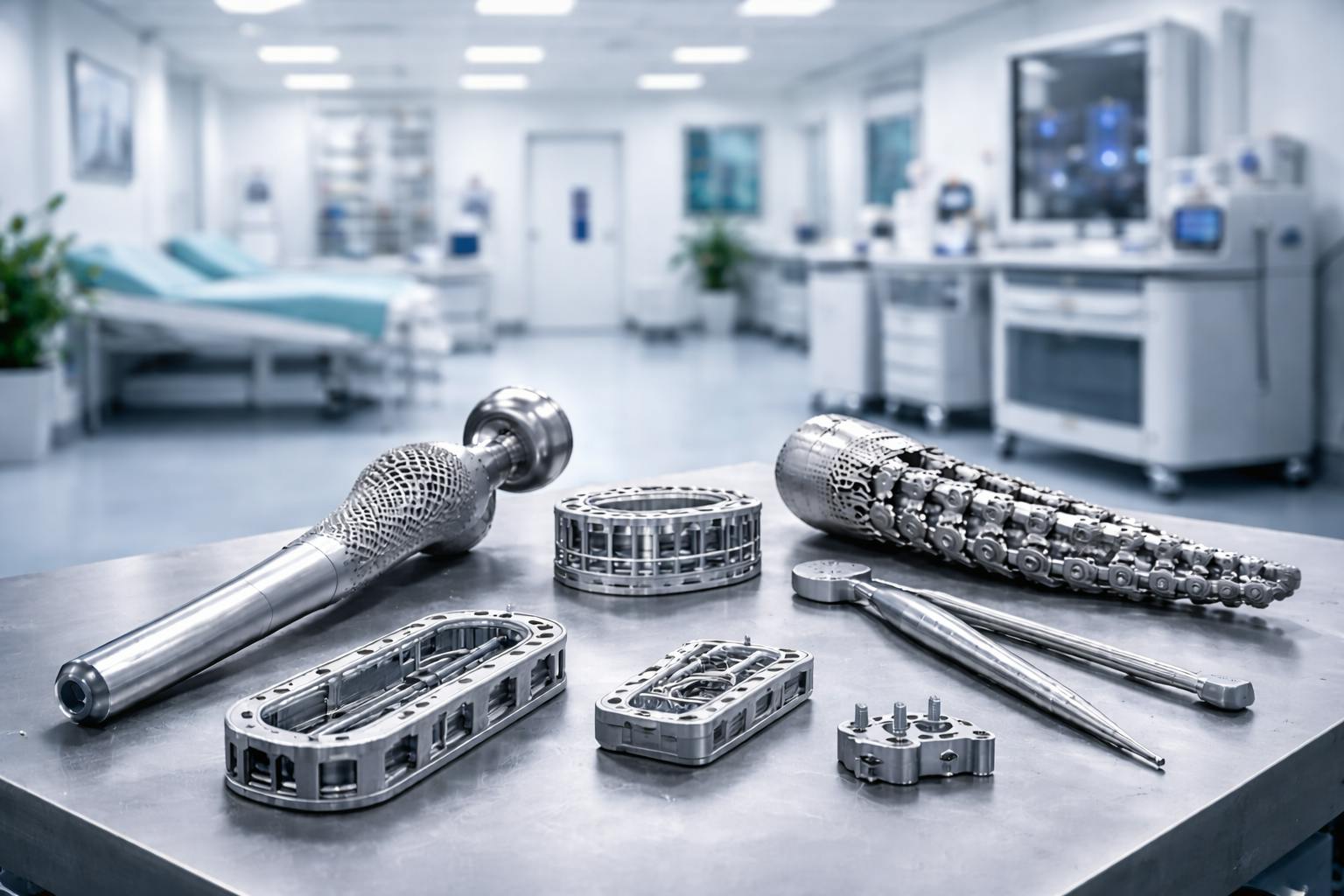
Rapid prototyping is transforming the medical device and healthcare industries by enabling the creation of accurate and functional prototypes for new medical devices. 3D printing and CNC prototyping are used to create everything from surgical tools to implants, allowing for rapid testing and refinement. These prototypes help medical professionals ensure that devices are functional, safe and meet regulatory standards before they go into production. In addition, rapid prototyping allows for customized devices tailored to individual patient needs, improving patient care.
For healthcare applications, metal 3D printing is often used to create complex, high-strength components like implants and prosthetics. These prototypes are tested for fit, function and durability, ensuring that they perform well in real-world medical environments. The flexibility and speed offered by rapid prototyping make it an essential tool in the development of innovative medical devices, enabling healthcare companies to bring new products to market quickly and efficiently.
Tools and Technologies for Rapid Prototyping
The success of rapid prototyping depends on the tools and technologies used throughout the process. From 3D printers to CNC tools, the equipment chosen impacts the speed, quality and accuracy of prototypes. Modern technologies make it easier to create functional prototypes that can be quickly tested and refined. In this section, we’ll explore the key tools, materials and software that drive efficiency and precision in rapid prototyping.
3D Printers for Prototyping
3D printers are at the forefront of rapid prototyping, enabling the quick creation of prototypes directly from digital models. These printers use additive manufacturing to build parts layer by layer, allowing for the production of complex geometries that would be difficult or impossible to achieve with traditional methods. In rapid prototyping, 3D printers offer significant advantages in terms of speed, cost and flexibility, especially when creating small production runs or one-off prototypes for testing.
3D printing is used widely across industries such as consumer electronics, automotive and healthcare. Whether for testing a rapid prototype of a new smartphone case or creating a model for a medical device, 3D printers provide a versatile and efficient solution. With advances in materials, 3D printing can now produce functional prototypes in plastics, resins and even metals, making it an ideal choice for a variety of applications.
CNC Tools for Prototyping
CNC tools play a critical role in rapid prototyping, particularly when precision and material strength are required. CNC prototyping uses computer-controlled machines to carve, mill and drill parts from solid blocks of material like metal or plastic. This subtractive process allows for highly accurate prototypes that are ideal for testing the mechanical properties of a design, especially in industries like automotive and aerospace.
The CNC machining prototype service offers a level of precision that’s hard to achieve with other prototyping methods. CNC tools are also flexible, able to work with a wide range of materials, from durable metals for functional components to softer plastics for less demanding prototypes. This makes CNC a versatile option in rapid prototyping, ensuring that prototypes meet both design and performance standards before full-scale manufacturing.
Materials Used in Rapid Prototyping
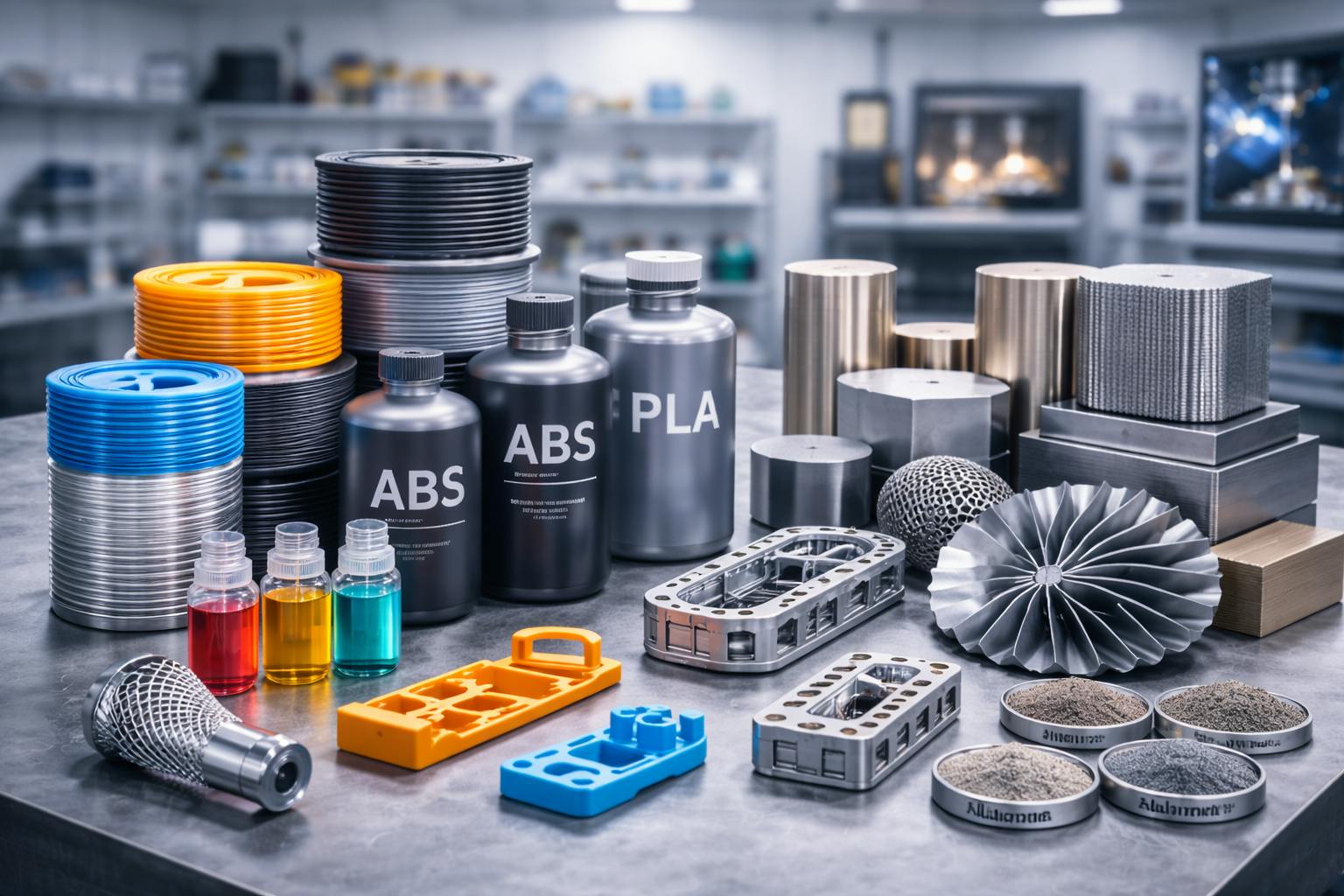
The materials used in rapid prototyping are just as important as the tools themselves, as they determine the durability, functionality and overall performance of the prototype. Common materials include plastics like ABS and PLA for 3D printing, metals like aluminum and titanium for CNC prototyping and specialized resins for high-resolution models. Each material has its own set of properties that make it suitable for different applications, from flexible prototypes to high-strength parts.
Choosing the right material for rapid prototyping depends on factors like the part’s intended use, the required strength and the type of testing needed. For example, metal 3D printing is often used to create strong, functional prototypes for the aerospace or medical industries, while CNC prototyping is preferred for parts that need to withstand high stress or environmental conditions. The variety of materials available ensures that rapid prototyping can be applied in virtually any industry, providing flexibility and efficiency.
Software for Prototyping
The role of software in rapid prototyping cannot be overstated. Prototyping software helps convert digital models into formats that can be used by 3D printers or CNC machines, ensuring that the design is accurate and can be translated into a physical prototype. These programs allow engineers and designers to refine their models, test different configurations and simulate real-world performance before manufacturing.
Advanced CAD (Computer-Aided Design) and CAM (Computer-Aided Manufacturing) software are essential for modern prototype manufacturing. They provide tools for designing intricate parts, managing tolerances and preparing models for production. Software tools can also help with generating support structures for 3D prints, optimizing CNC toolpaths and even predicting potential issues before they occur in the physical prototype.
Getting Started with Rapid Prototyping
Getting started with rapid prototyping means choosing the right method, materials and technology for your project. The goal is to quickly develop and test your design before mass production. Whether you need a CNC rapid prototype or a 3D printed prototype, understanding the process will help you make the best decision for your needs.
By aligning your goals with the right method, you’ll save time and money. Choosing between additive or subtractive manufacturing methods like CNC prototyping or 3D printing depends on factors such as material requirements and design complexity.
How to Choose the Right Prototyping Method
To choose the right method, first consider your project’s needs. If precision and durability are essential, CNC prototyping is ideal. For quick, complex designs, 3D printing is a better fit. Understanding what you want to achieve with your prototype will help determine the best approach.
Also, think about the materials you need. CNC prototyping is great for metals, while 3D printing excels with plastics and resins. Evaluating these factors will guide you to the right choice for your prototype.
First Steps for Designers and Engineers
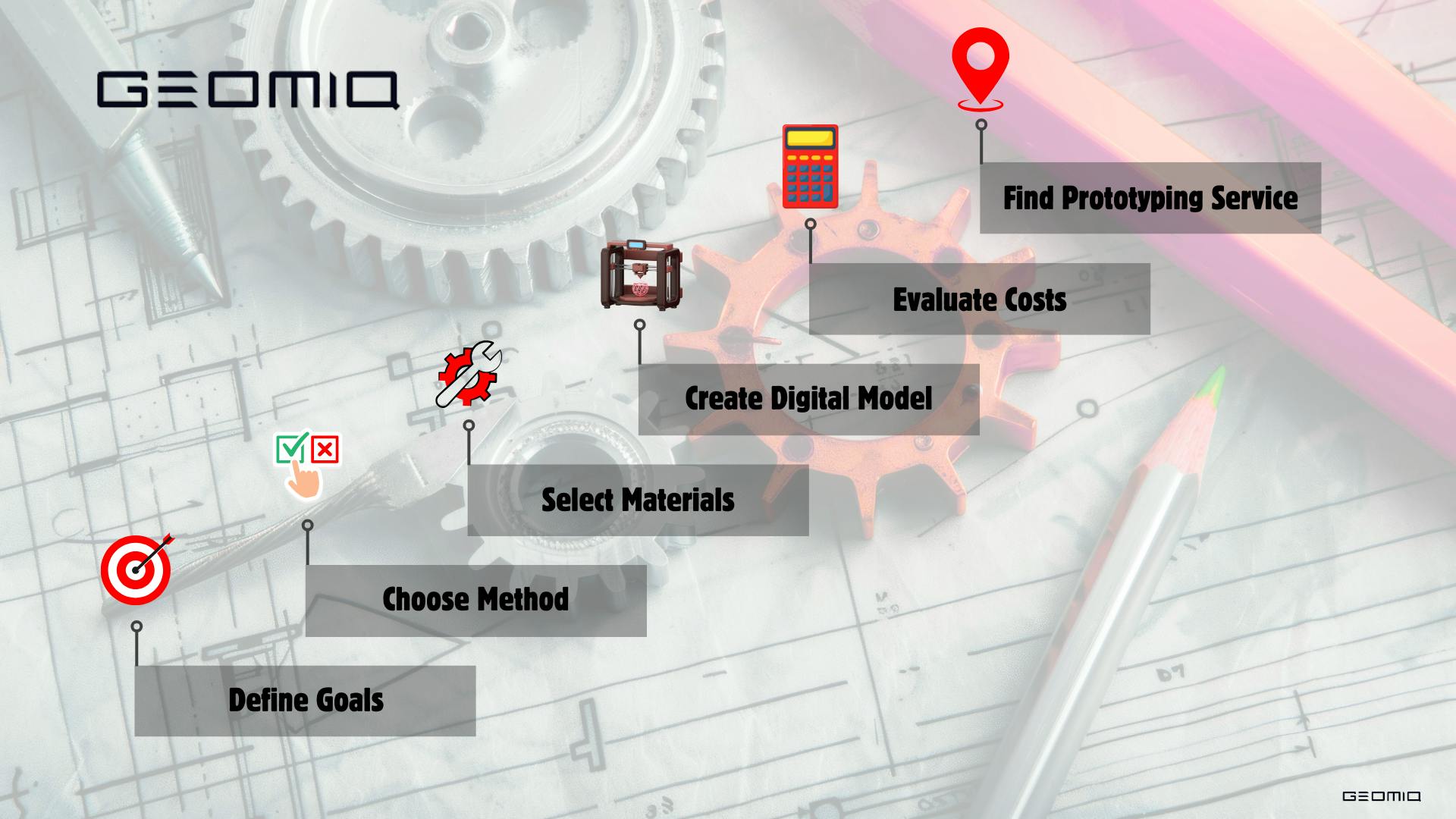
When starting with rapid prototyping, designers and engineers should follow a few key steps to ensure a smooth process. These initial steps will help you prepare and streamline the development of your prototype, setting a solid foundation for success.
Finding Prototyping Services
Once you’ve selected your method, finding the right service is next. Choose a provider experienced in the prototyping rapid method you need, whether it’s CNC prototyping services or 3D printing. Look for a service that offers flexibility with materials and production volume.
It’s important to work with a provider who can support you throughout the process, ensuring your prototype meets the required standards. Compare providers based on their experience, reviews and expertise in your industry.
Conclusion: Transform Your Designs with Rapid Prototyping
Rapid prototyping has revolutionized the way designers and engineers bring their ideas to life. It allows for fast, cost-effective creation of prototypes, helping to test and refine designs before full-scale production. By using techniques like 3D printing and CNC prototyping, you can quickly transform concepts into tangible models that can be tested and improved. This process not only saves time but also reduces the risk of costly errors during manufacturing.
With rapid prototyping, industries ranging from automotive to healthcare can innovate faster and create better products. Whether it’s for testing functionality or improving design, the ability to iterate quickly with a rapid prototype ensures products meet the highest standards before hitting the market. Embrace the power of rapid prototyping to accelerate your product development and stay ahead of the competition.
Future Trends in Rapid Prototyping
The future of rapid prototyping is promising, with advancements in technology continuing to push the boundaries of what’s possible. 3D printing and CNC prototyping services are evolving, offering more material options, faster speeds and improved precision. As the demand for customized products grows, prototyping rapid methods will continue to adapt, offering solutions that are more accessible and efficient than ever before.
Looking ahead, metal 3D printing and CNC rapid prototypes are expected to play a major role in sectors like aerospace and medical devices. With the rise of artificial intelligence and machine learning, prototyping software is becoming smarter, helping engineers optimize designs even further. As these technologies evolve, manufacturing and prototyping will become faster, more affordable and even more customizable, opening new doors for innovation across industries.
About the author
Sam Al-Mukhtar
Mechanical Engineer, Founder and CEO of Geomiq
Mechanical Engineer, Founder and CEO of Geomiq, an online manufacturing platform for CNC Machining, 3D Printing, Injection Moulding and Sheet Metal fabrication. Our mission is to automate custom manufacturing, to deliver industry-leading service levels that enable engineers to innovate faster.