Metal VS Plastic in CNC Machining
CNC machining has revolutionized the way manufacturers create parts for a variety of industries, but when choosing between metal and plastic, there are several factors to consider. Each material offers its own set of benefits and limitations, and understanding these differences can help businesses make well-considered decisions about which material is best suited for their needs. The choice between metal and plastic directly affects machining cost, production speed, part performance and long-term durability. Selecting the right material early in the design stage can reduce manufacturing risks, optimize functionality and ensure the final component meets both technical and budget requirements.
In this article, we will explore why it's important to compare metal and plastic, delve into key differences in CNC machining and discuss various machinability factors that affect the decision-making process.
Plastic vs Metal: Comparison Overview
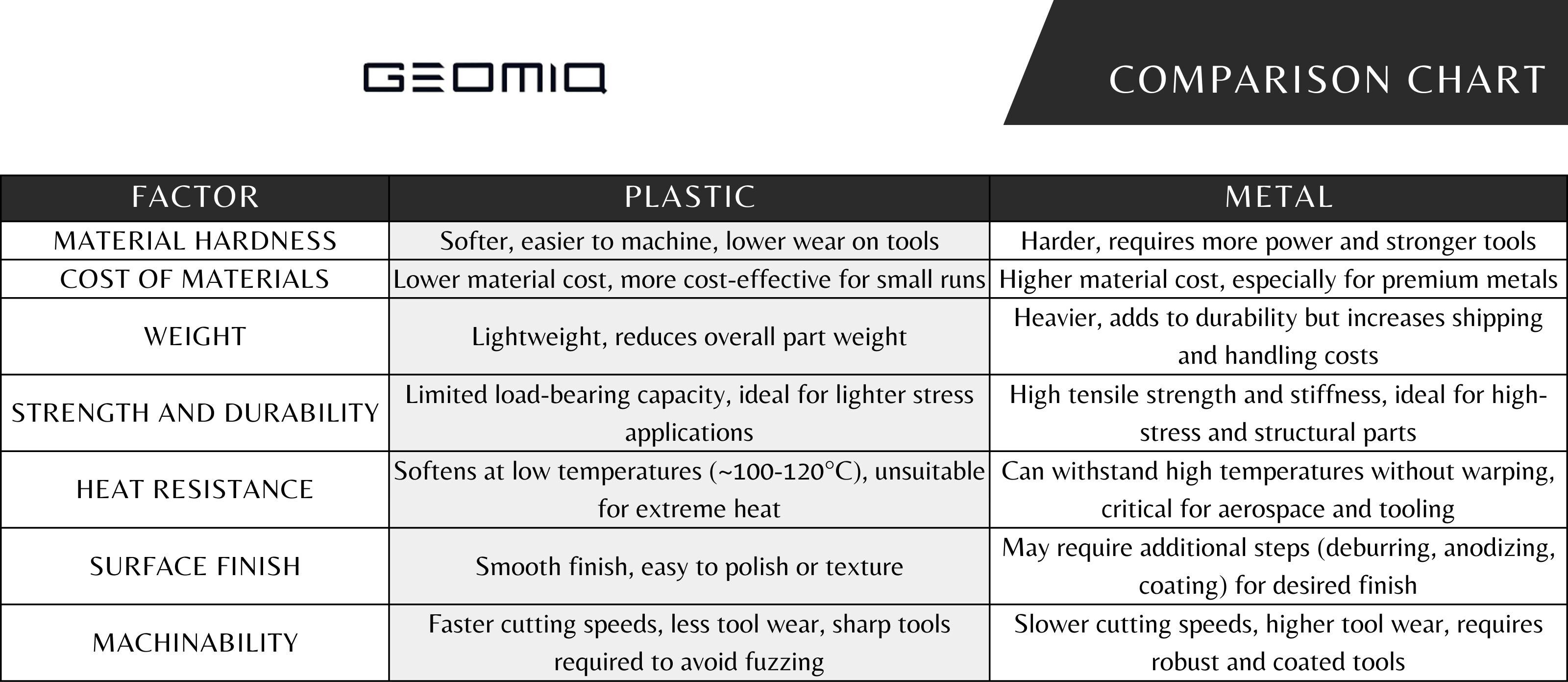
The table below provides a side-by-side comparison of plastic and metal materials used in CNC machining, focusing on the most important performance and manufacturing factors. It helps you quickly understand how each material differs in terms of strength, cost, weight, heat resistance and machinability, making it easier to choose the right option for your specific CNC project.
Why Compare Plastic and Metal?
When it comes to CNC machining, both metal and plastic are commonly used materials in industries ranging from aerospace to automotive, medical devices and consumer products. The choice between these two materials significantly impacts the production process, cost and performance of the final product.
The decision to compare metal and plastic is driven by the fact that they serve different purposes in the manufacturing world. Plastic is often chosen for its versatility, lighter weight and cost-effectiveness, whereas metal is typically preferred for its strength, durability and ability to withstand high temperatures and heavy loads. Understanding their unique characteristics and how they behave during the machining process can lead to better material selection, which directly influences manufacturing efficiency and quality.
Key Differences Between Plastic and Metal in CNC Machining
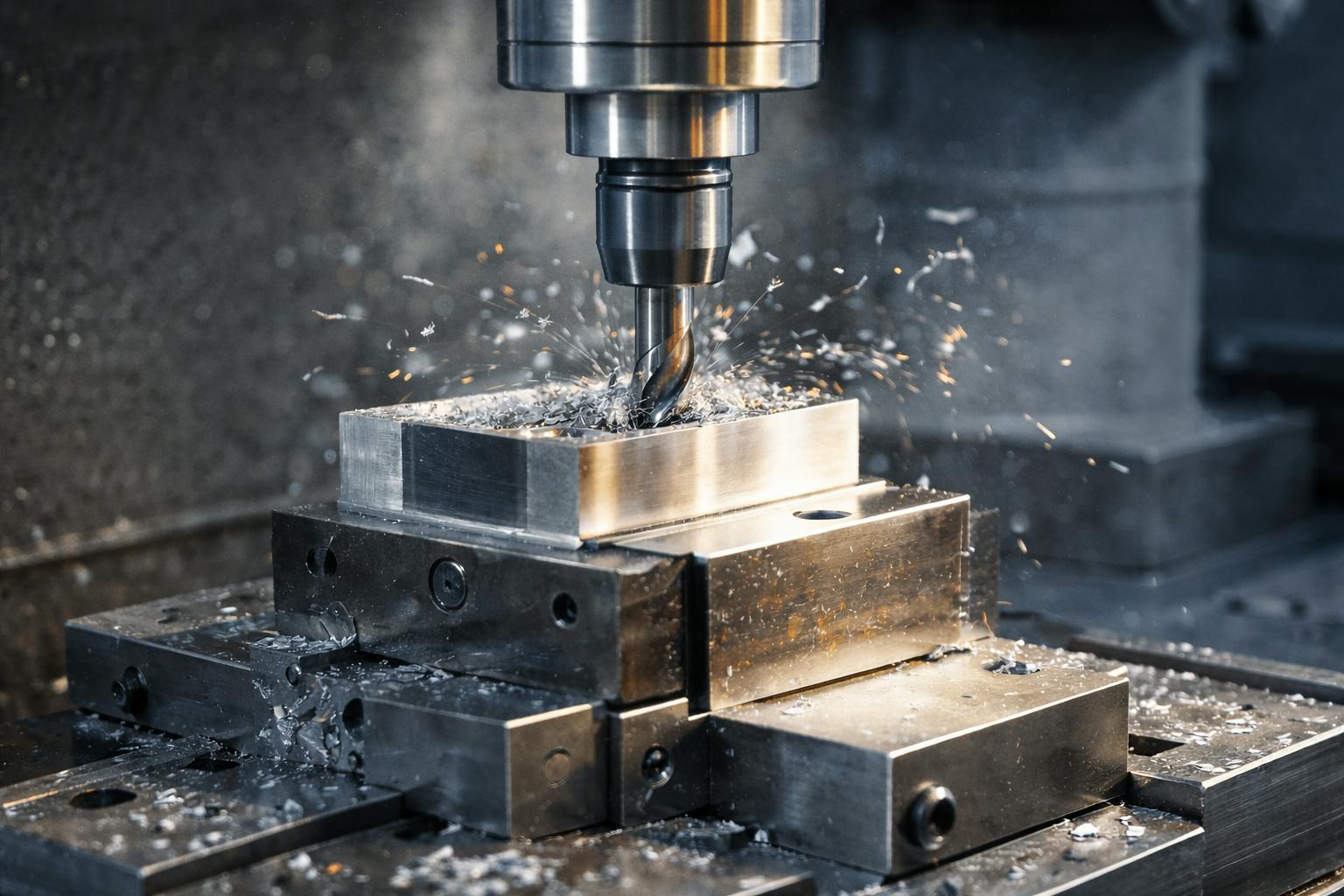
In this section, we will dive into the key differences between metal and plastic in CNC machining, providing a deeper understanding of how each material behaves during the process.
1. Material Hardness
One of the biggest differences between metal and plastic in CNC machining is material hardness. Metal materials like aluminum, steel and titanium tend to be much harder than most plastics, which means they require more power to machine and may necessitate stronger cutting tools and more frequent tool changes.
On the other hand, plastics like acrylic, PVC and nylon are relatively softer and easier to machine, which reduces wear on cutting tools and leads to quicker processing times. This difference in hardness also plays a crucial role in the overall durability and longevity of the final product.
If you want to explore how CNC machining surface roughness impacts your material choice and machining process, take a look at our CNC Machining Surface Roughness Guide.
2. Cost of Materials
Plastic tends to be significantly less expensive than metal, which directly impacts the cost of CNC machining. Because plastics are often more affordable and easier to source, they are generally a more cost-effective material choice for parts that do not require the strength and durability of metal.
For metal, the material cost can be much higher, especially for premium metals such as titanium or certain high-strength alloys. This increased material cost also contributes to higher manufacturing costs, especially for small production runs.
If you're looking to save on material costs for your project, we’ve got some practical tips and strategies that can help - take a look at our guide on reducing CNC machining costs.
3. Weight
Plastic is known for being lightweight, which can be a critical factor in industries like automotive and aerospace, where reducing weight is essential for improving performance and fuel efficiency. The lighter weight of plastic parts can make them easier to handle during the manufacturing process and may reduce transportation costs.
In contrast, metal parts, being heavier and more dense, can increase the overall weight of a product. This can be a disadvantage in industries where weight reduction is a primary goal, but metal parts are still favored for their strength and load-bearing capabilities.
4. Strength and Durability
Metal outshines plastic when it comes to strength and durability. Metal parts are more resilient to wear, tear and impact, making them ideal for heavy-duty applications that require long-lasting performance under challenging conditions, such as aerospace, automotive and industrial machinery.
While plastic can offer sufficient strength for many applications, it tends to be more prone to cracking or deformation under stress or heavy use. Therefore, plastic parts are generally used in applications where the material does not need to withstand extreme forces.
5. Thermal Resistance
Another significant difference between metal and plastic in CNC machining is their thermal resistance. Metals generally perform better at high temperatures, as they can withstand heat without losing their structural integrity. This makes metal the material of choice for parts exposed to high heat, such as engine components and tools.
On the other hand, most plastics have a lower melting point and may deform or degrade when exposed to high temperatures, limiting their use in applications where thermal stability is crucial. However, high-performance plastics like PEEK or PTFE offer better heat resistance than standard plastics.
6. Surface Finish
Plastic parts often provide a smoother surface finish compared to metal parts, especially after machining. This is because plastic is a softer material, making it easier to achieve a polished, clean surface without extensive post-machining processes.
However, achieving a high-quality surface finish in metal can be more challenging due to the material's hardness and the risk of tool wear. This may require additional steps, such as polishing or coating, to achieve the desired finish.
Machinability Factors: Metal vs Plastic Review
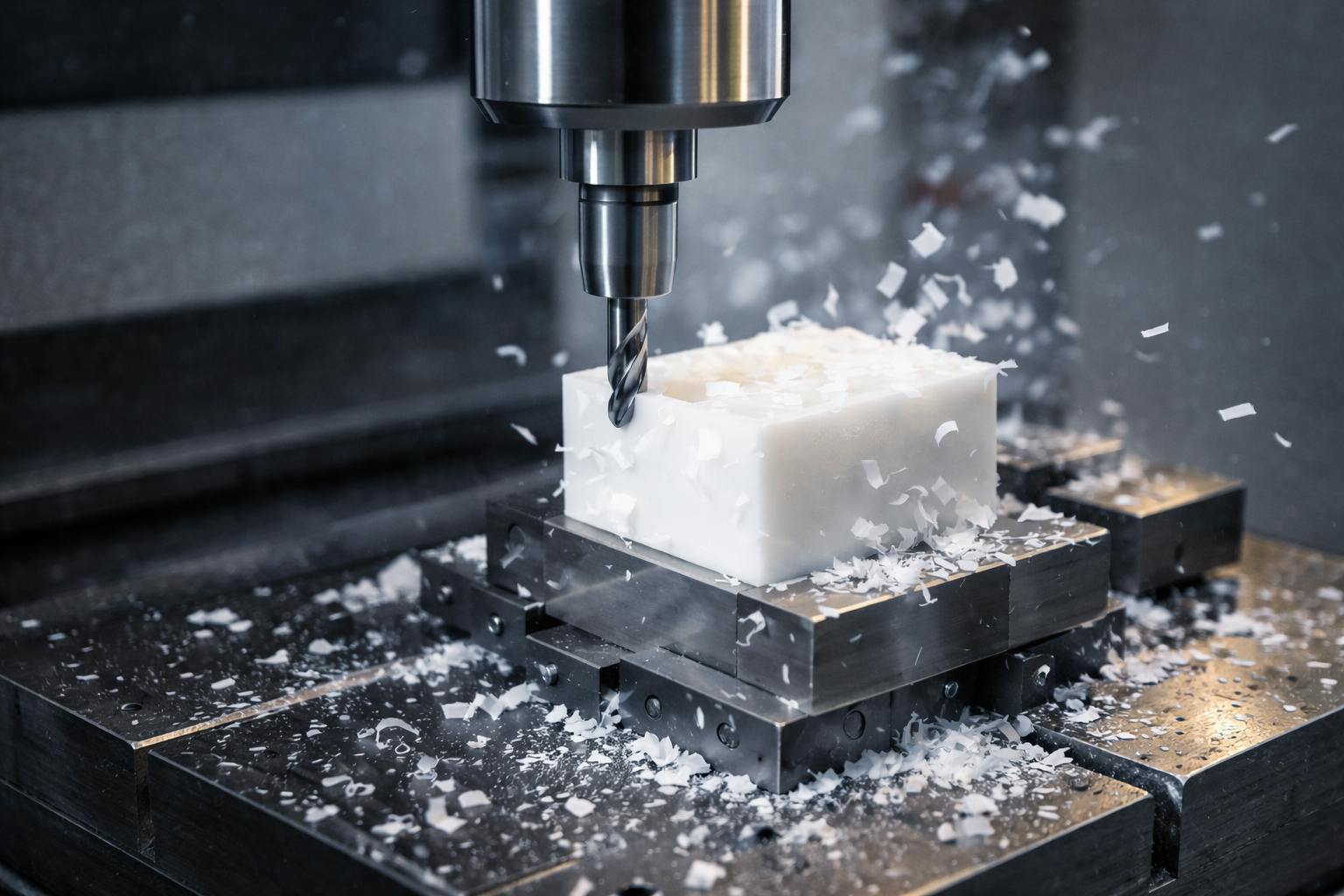
When choosing between metal and plastic for CNC machining, several machinability factors come into play. These factors determine how easily each material can be processed and what adjustments may be needed during the manufacturing process. Understanding machinability factors in CNC can help ensure optimal material selection.
1. Tool Wear
Tool wear is a critical factor when machining both metal and plastic. Metal parts, due to their hardness, tend to cause more wear on CNC tools, especially when machining tougher metals like steel or titanium. This requires more frequent tool changes, which can increase costs and reduce efficiency.
In contrast, plastic is generally gentler on tools and may not require as many tool changes during the machining process. This makes CNC plastic machines a more economical option in terms of tool wear.
2. Cutting Speed
The cutting speed for plastic is typically faster than that for metal, as plastics are softer and require less power to cut. This results in quicker cycle times, reducing the overall machining time.
For metal, the cutting speed is slower, especially for harder materials, and may require adjustments in feed rates and cutting parameters to optimize the process. As a result, CNC metal machining can take longer and may require more complex setup and programming. To dive deeper into the CNC milling process, check out our guide on CNC milling.
3. Heat Generation
Both metal and plastic generate heat during the CNC machining process, but the amount varies significantly. Metal machining often generates more heat due to the material's hardness and the power required to cut through it. This heat can cause thermal expansion, tool wear and even part deformation if not properly managed.
Plastic, being a lower-temperature material, generates less heat during machining. However, excessive heat buildup can still cause warping or deformation, especially with softer plastics. Proper cooling and feed rate adjustments are crucial to prevent issues with both materials.
4. Material Stability
Metal tends to be more stable during the machining process, retaining its shape and integrity under normal machining conditions. This stability makes metal easier to work with when precision is essential, such as in aerospace or medical applications.
In contrast, plastic can be more prone to warping or dimensional changes due to factors like temperature fluctuations and material composition. This requires careful control of the machining environment and conditions to make sure precision and consistency.
5. Post-Machining Processes
Post-machining processes, such as deburring, sanding or finishing, can differ between metal and plastic. While metal often requires additional steps to achieve a polished or deburred finish, plastic parts generally have smoother surfaces and may require fewer finishing steps.
However, some high-performance plastics may require specialized post-processing to remove excess material or to achieve the desired aesthetic or functional properties.
Choosing Between Metal and Plastic for Your CNC Project
Selecting the right material for your CNC machining project is crucial to achieving the desired balance between cost, performance and durability. While plastic offers advantages like lower cost and faster machining speeds, metal provides superior strength, heat resistance and long-term durability. Consider the specific demands of your project, including the required strength, weight and environmental conditions the part will face. By understanding the key differences in machinability, cost and material properties, you can make a well-considered decision that ensures the success of your CNC project.
Choosing between metal and plastic for your CNC project is not always a straightforward decision. The right choice will depend on the intended application, budget constraints and the long-term performance requirements of your project. By closely evaluating each material's characteristics and understanding how they align with the technical specifications, you can not only optimize the machining process but also achieve a final product that meets both performance and cost expectations. Whether you're aiming for durability with metal or efficiency with plastic, the key lies in knowing when and how to use the unique properties of each material for the best possible results.
For example, when designing for CNC machining, it's important to consider the material properties for achieving the desired precision and finish, which you can explore further in our CNC Design Guide. Additionally, if you’re considering plastic machining, we delve into the specifics of plastic types and processes in our CNC Plastic Machining article, which could be a great resource to complement your decision-making process.
Next Steps with Geomiq
If you’re designing parts that must withstand real-world mechanical loads, Geomiq can support you with:
- Material selection guidance
- Precision manufacturing services
- Engineering-ready production at scale
Explore Geomiq’s manufacturing solutions or request a quote to bring your designs to life.
About the author
Sam Al-Mukhtar
Mechanical Engineer, Founder and CEO of Geomiq
Mechanical Engineer, Founder and CEO of Geomiq, an online manufacturing platform for CNC Machining, 3D Printing, Injection Moulding and Sheet Metal fabrication. Our mission is to automate custom manufacturing, to deliver industry-leading service levels that enable engineers to innovate faster.