Steel CNC Machining
Mild steel is a popular material in CNC machining because it's strong, durable, and easy to work with. Made primarily of iron and a small amount of carbon, it offers excellent weldability and affordability. These mild steel properties make it a go-to for various industries, from automotive to construction.
Thanks to its malleability, mild steel is easy to shape and form, making it ideal for large production runs. It's commonly used for structural parts, machinery, and consumer goods. The material's properties also make it a great choice for rapid prototyping, allowing manufacturers to quickly create functional prototypes with a balance of cost and performance.
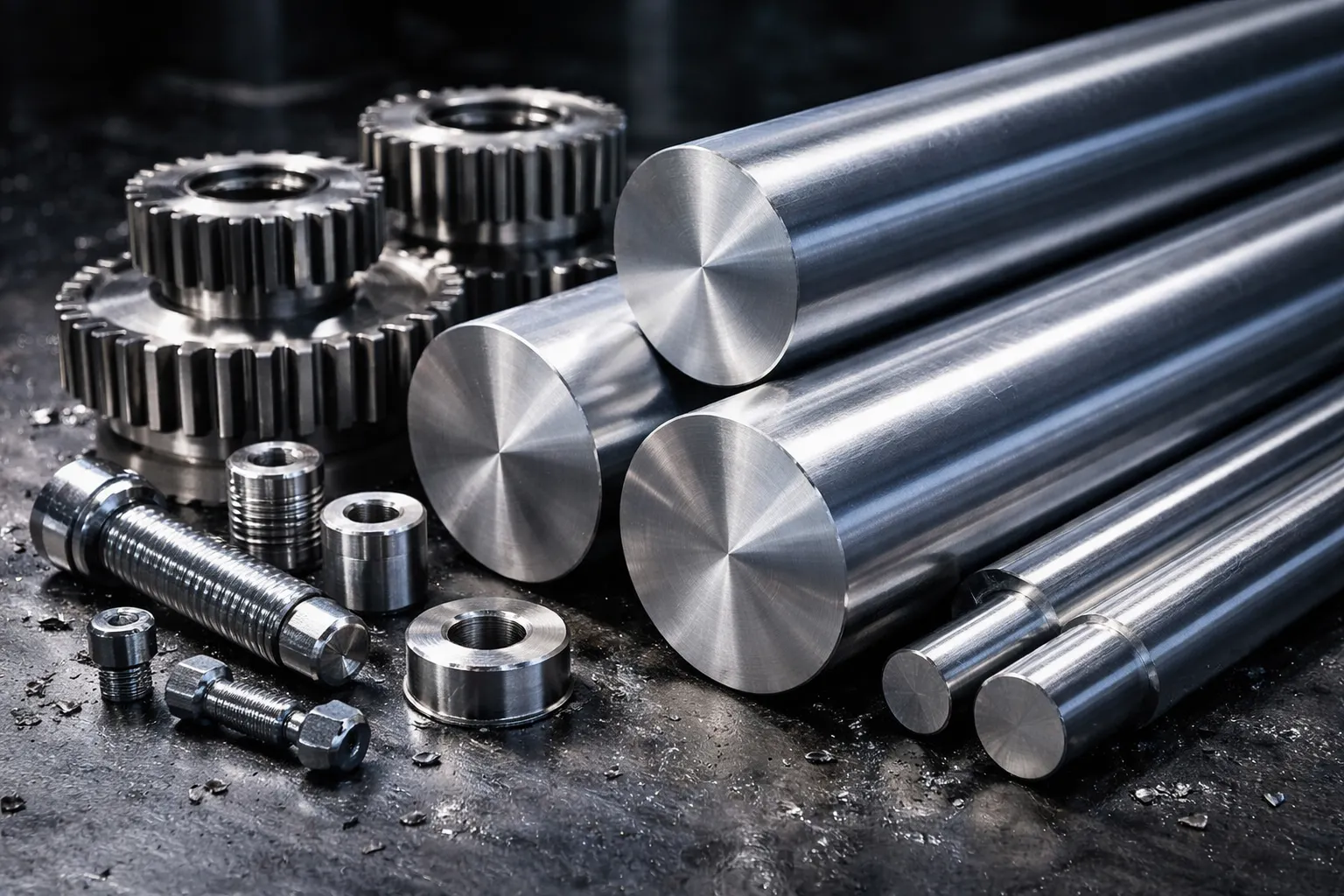
Steel 1018
Steel 1018 is a mild steel known for its excellent machinability and weldability. Its mild steel properties make it ideal for parts like shafts and pins. This versatile material is widely used in industries such as automotive and manufacturing. For detailed processing information.

Steel 4140
Steel 4140 is a chromium-molybdenum alloy with enhanced strength and toughness. Its mild steel material properties make it perfect for high-stress applications, like gears and axles.

Steel 4130
Steel 4130 is a low-alloy steel with a good balance of strength and toughness. Known for its mild steel properties, it’s commonly used in aerospace and automotive applications.

Steel 4140 PH
Steel 4140 PH is heat-treated for higher strength and wear resistance. It is used in tooling and high-stress applications. The material properties of mild steel are enhanced in 4140 PH, making it durable. For machining guidance, refer to our CNC Machining Guide.

Steel 1215
Steel 1215 is a free-machining carbon steel known for its easy machinability. With mild steel properties, it’s often used for fasteners and bushings.

Steel A36
Steel A36 is a low-carbon steel with good weldability and moderate strength. Its mild steel properties make it ideal for construction and structural applications.

Steel 4340
Steel 4340 is a high-strength steel with excellent toughness, used in heavy-duty applications. Its mild steel material properties make it suitable for parts under high stress.

O1 Tool Steel
O1 Tool Steel is oil-hardened, offering excellent wear resistance for tools. Its mild steel properties make it perfect for cutting tools and dies.

A2 Tool Steel
A2 Tool Steel is an air-hardened steel offering high wear resistance. It’s commonly used for tools requiring resistance to abrasion.

Finishes and Post-Processing Options
Finishes and post-processing are key steps in CNC machining that help improve both the look and performance of your parts. Options like anodizing, powder coating, and plating can add a protective layer to the material, making it more resistant to corrosion and wear. These finishes also give the parts a polished, professional appearance, ensuring they meet both aesthetic and functional requirements.
Post-processing techniques such as deburring, polishing, and heat treatment are equally important in refining your final product. These steps help smooth out rough edges, enhance surface quality, and strengthen the material. The right choice of finish and post-processing depends on your specific application and the material properties you’re working with.
Next Steps with Geomiq
If you’re designing parts that must withstand real-world mechanical loads, Geomiq can support you with:
- Material selection guidance
- Precision manufacturing services
- Engineering-ready production at scale
Explore Geomiq’s manufacturing solutions or request a quote to bring your designs to life.
FAQ
Why is mild steel often chosen for CNC machining projects?
Mild steel is preferred because it balances strength and affordability while being easy to shape. Its versatility makes it suitable for structural components, machinery, and functional prototypes.
What types of steel are commonly used in CNC machining?
Common options include low-carbon steels, alloy steels, and tool steels. Each type offers specific advantages, such as high strength, wear resistance, or ease of machining for specialized applications.
How does the choice of steel affect production efficiency?
Selecting the right steel ensures smoother cutting, shorter machining times, and reduced tool wear. This improves overall efficiency and lowers production costs, especially for high-volume runs.
What role do finishes and post-processing play in steel parts?
Finishes and post-processing enhance durability, appearance, and performance. Techniques like plating, powder coating, and polishing protect the part from wear and environmental effects while delivering a professional look.
How do different steel alloys impact the end-use of machined parts?
Different alloys provide a range of properties, such as corrosion resistance, strength, and toughness. Choosing the right alloy ensures that the part meets mechanical requirements for applications from automotive to aerospace.
About the author
Sam Al-Mukhtar
Mechanical Engineer, Founder and CEO of Geomiq
Mechanical Engineer, Founder and CEO of Geomiq, an online manufacturing platform for CNC Machining, 3D Printing, Injection Moulding and Sheet Metal fabrication. Our mission is to automate custom manufacturing, to deliver industry-leading service levels that enable engineers to innovate faster.