CNC Router vs CNC Mill: Understanding the Key Differences
When deciding between a CNC router and a CNC mill, it’s crucial to understand the core differences between these two machines. While both are essential tools in modern manufacturing, their applications and capabilities vary significantly. In this article, we’ll break down the features of each machine to help you choose the right one for your needs. Whether you're working on a custom project or scaling up production, understanding these differences is key to making an informed decision.
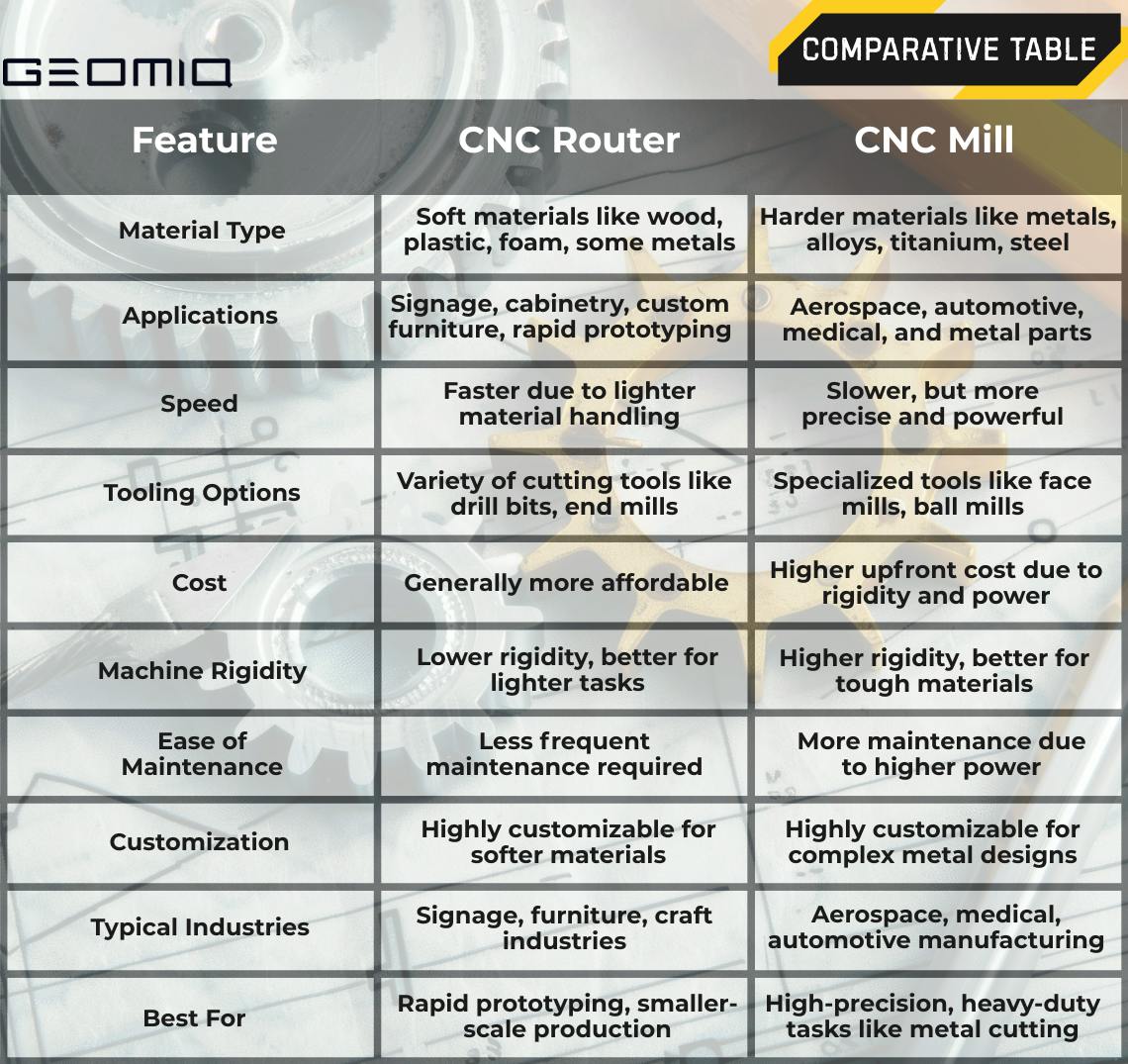
The primary difference between a CNC router and a CNC mill lies in the type of materials they are designed to handle and the specific industries they serve. CNC routers are often used for softer materials like wood and plastics, making them ideal for rapid prototyping and projects that require speed and flexibility. On the other hand, CNC mills are built to cut through harder materials, such as metals and alloys, with precision and power. Choosing the right machine depends on the materials and complexity of your projects.
What Is the Main Difference Between a CNC Router and a CNC Mill?
The main difference between a CNC router and a CNC mill is the type of material they can work with and the precision required for the job. CNC routers are ideal for lighter materials and applications where speed is important, while CNC mills are more suited for heavy-duty work, such as cutting metals and other hard materials.
What Is a CNC Router?
A CNC router is a computer-controlled tool used to cut, carve, or engrave materials. These machines offer high precision and speed, allowing manufacturers to create intricate designs in a wide variety of materials. The CNC router machine operates by following computer-generated commands that direct the movement of the router’s cutting tool. It is particularly useful for applications where fine detailing is essential and where speed and efficiency are critical, such as rapid prototyping.
These routers can work with materials like wood, plastic, foam, and some soft metals, making them highly versatile. They are commonly used in industries like signage, cabinetry, and custom furniture design. Additionally, their ease of use and cost-effectiveness make them a popular choice for small businesses and hobbyists looking to create precise, custom products quickly. For those seeking high-quality CNC Machining Services, CNC routers provide an ideal solution for lighter, non-metal applications.
Applications and Features of CNC Routers
CNC routers are widely used in industries that require fast production and precision cutting of softer materials. These machines are perfect for creating parts, signage, prototypes, and more. Due to their precision, they can be used in rapid prototyping where turnaround time is crucial, providing designers with quick iterations and the ability to make adjustments as needed.
One of the key advantages of a CNC router is its ability to work with large sheets of material efficiently. The tool can be fitted with a range of cutters, drills, and other tools that allow it to cut, engrave, and carve in a variety of ways. This makes it adaptable for projects that require different types of toolpaths and designs. If you're looking to expand your capabilities with CNC Machining Services, CNC routers are a fantastic tool for those working with materials like wood and plastic.
When to Use a CNC Router
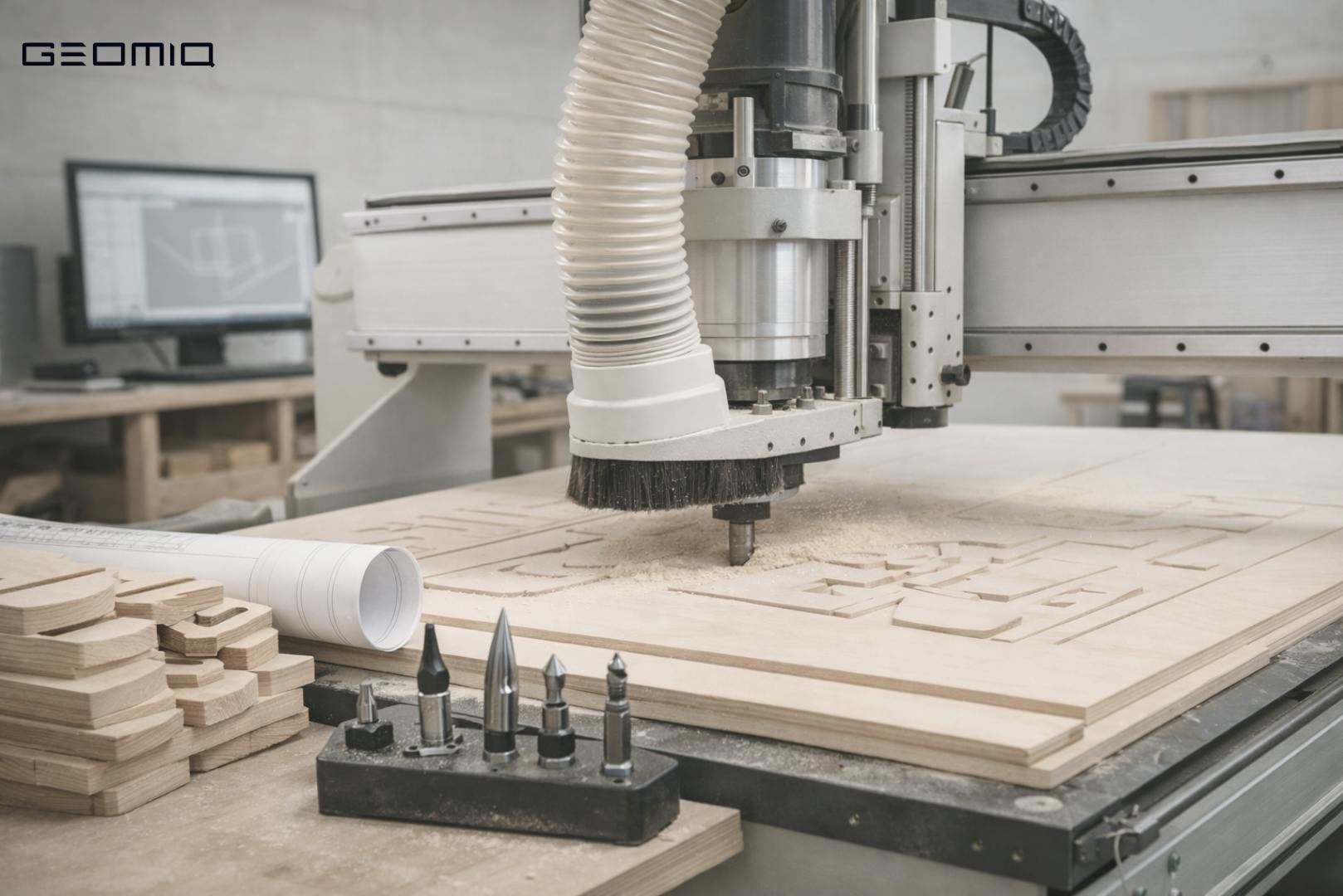
A CNC router is perfect for projects that require precision and speed with softer materials like wood, plastic, and foam. It’s ideal when you need to create complex shapes or large parts at high speeds, making it a top choice for industries like furniture design and signage. It’s also cost-effective for high-volume production due to its fast cycle times and easy tool changes.
Use Case: A furniture manufacturer needs to produce intricate wooden components for custom desks. Using a CNC router helps them quickly carve out complex shapes and patterns in wood, reducing production time and cost.
What Is a CNC Mill?
A CNC mill is a powerful machine used for cutting, drilling, and shaping hard materials like metals, plastics, and composites. Unlike a CNC router, which typically works with softer materials, CNC mills are designed for heavier-duty applications. These machines can cut through tougher materials with higher rigidity, precision, and power, making them ideal for creating parts in industries such as aerospace, automotive, and medical device manufacturing.
CNC mills operate using similar technology as CNC routers, but they are typically more rigid and robust to accommodate the increased force required to cut harder materials. Whether you're working with CNC Milling services to produce detailed parts or need to handle complex shapes, CNC mills provide the necessary power and flexibility. They offer high precision, which is essential for industries that require highly accurate components, such as aerospace and automotive.
Applications and Features of CNC Mills
CNC mills are often used in industries that require high precision and durability. These machines are capable of creating complex, detailed parts from a range of materials, including metals, alloys, and composites. In contrast to CNC routers, CNC mills excel at cutting materials that require more force and precision, such as aluminum in CNC machining.
Common applications of CNC mills include the manufacturing of intricate machine components, automotive parts, and aerospace components. Due to their rigidity and power, CNC mills can handle more demanding tasks, including cutting through hard metals and alloys. Whether you're working with CNC Milling services or CNC machining, these mills provide the reliability and precision needed for high-stakes projects.
When to Use a CNC Mill
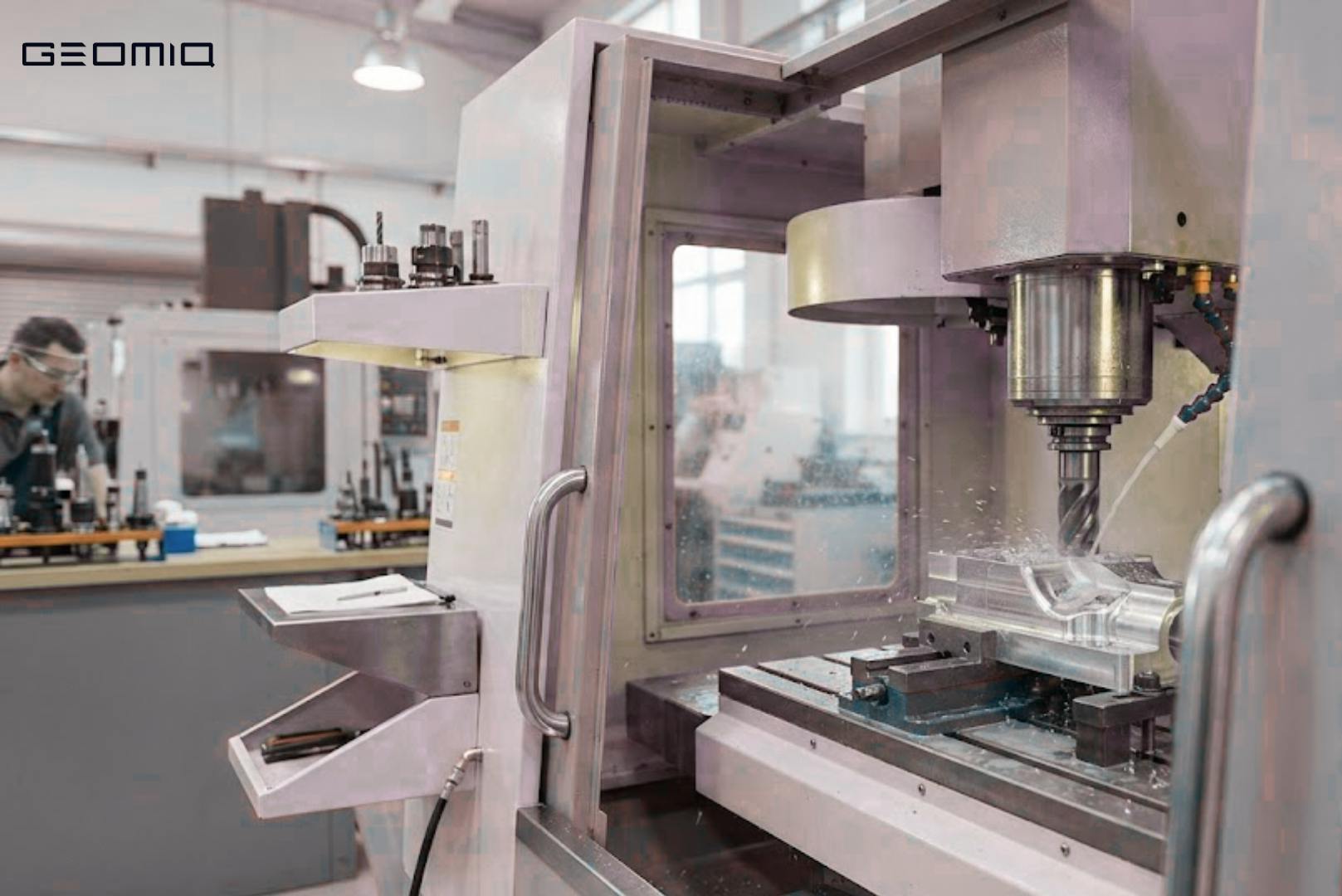
A CNC mill is best for harder materials like metal, alloys, and composites. If your project demands high precision, strong cutting forces, and the ability to work with small tolerances, a CNC mill is the go-to option. It's especially useful for detailed work such as machining metal parts that require strength and durability.
Use Case: A machine shop needs to produce aluminum brackets for an aerospace component. Using a CNC mill ensures the parts are strong, precise, and meet the high-quality standards required for the aerospace industry.
Speed, Power, and Rigidity: How Do They Compare?
When comparing CNC routers to CNC mills, one of the key differences is the machine’s speed and power. CNC routers are typically faster and less expensive, but they lack the rigidity and power of CNC mills. CNC mills, with their more robust construction, are capable of working with harder materials at slower speeds. This is why CNC milling services are often preferred for applications requiring the machining of metals and tougher materials.
Tooling Options: CNC Router vs CNC Mill
Another difference between CNC routers and CNC mills lies in the tooling options. CNC mills typically use more specialized tools for metalworking, including end mills, face mills, and drills. On the other hand, CNC routers use tools that are designed for softer materials and often have a simpler design. The choice of tools depends largely on the material being worked on and the complexity of the design.
Costs, Maintenance, and Safety Considerations
Both CNC routers and CNC mills require regular maintenance to ensure optimal performance. However, CNC mills typically have higher upfront costs due to their rigid construction and the power required to handle tough materials. CNC routers, while generally more affordable, are better suited for softer materials and applications requiring high speed rather than raw power.
In terms of maintenance, both machines require periodic checks of the cutting tools, lubrication, and computer systems. Safety is also a key concern when working with either machine. Ensuring proper safety protocols is essential, especially when handling materials that require high speeds and power, such as those used in CNC Machining Services.
How Geomiq Works
Conclusion: Which One Is Right for Your Needs?
Ultimately, whether you choose a CNC router or a CNC mill depends on the specific needs of your project. If you are working with softer materials and require quick turnaround times, a CNC router may be the best option. However, if you need to work with harder materials, such as aluminum in CNC machining, and require high precision, a CNC mill would be more suitable.
For those looking to expand their capabilities in CNC machining methods (3-Axis or 5-Axis), both CNC routers and CNC mills offer distinct advantages based on the complexity of your work. CNC Milling services can provide the high precision needed for industries that require top-quality metal parts, while 3D printing services offer a modern approach for prototyping and small-batch production.
FAQ
What’s the main difference between a CNC router and a CNC mill?
Which CNC machine is more cost-effective for high-volume production?
Can a CNC router handle both small and large parts?
When should I choose a CNC mill for my project?
What are some real-world examples of when to use a CNC router vs CNC mill?
About the author
Sam Al-Mukhtar
Mechanical Engineer, Founder and CEO of Geomiq
Mechanical Engineer, Founder and CEO of Geomiq, an online manufacturing platform for CNC Machining, 3D Printing, Injection Moulding and Sheet Metal fabrication. Our mission is to automate custom manufacturing, to deliver industry-leading service levels that enable engineers to innovate faster.