CNC Etching and Type II Sulphuric Anodising: Process, Advantages and Use Cases
CNC-machined aluminium parts often need more than accurate geometry. Depending on the application, they may also require corrosion resistance, improved surface durability, colour, a more consistent cosmetic finish or better preparation for assembly.
Etching and Type II sulphuric anodising are two finishing-related processes that can help achieve these requirements. Etching is typically used as a surface preparation or texturing step, while Type II anodising creates a controlled aluminium oxide layer that improves the appearance and performance of the part.
This guide explains what CNC etching means in the context of aluminium parts, how Type II sulphuric anodising works, how the two processes can be used together, and what engineers should consider when specifying this finish for CNC-machined components.
What Is CNC Etching?
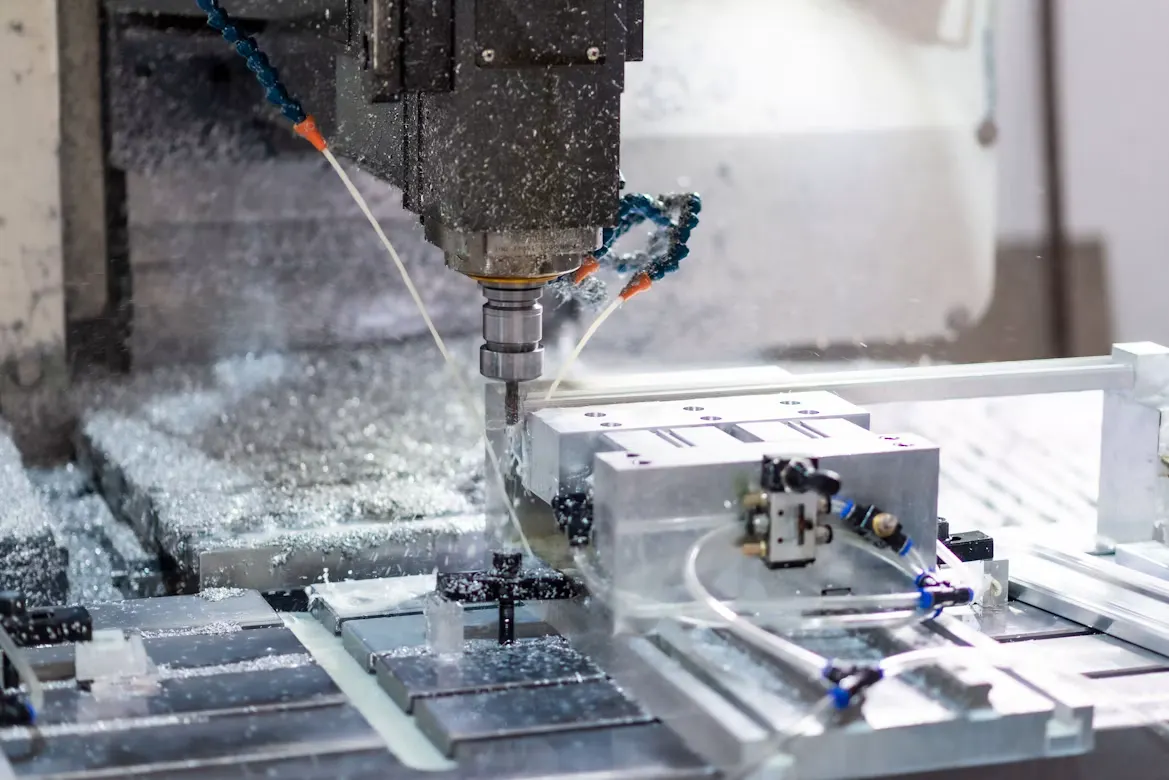
In this context, CNC etching refers to a controlled surface etching process applied to CNC-machined parts, usually after machining and before a final finish. It should not be confused with CNC milling, turning or cutting. CNC machining creates the part geometry, while etching modifies the surface of the finished or semi-finished part.
For aluminium components, etching is commonly used to clean, activate or texture the surface. It can help remove surface oxides, machining residues or minor inconsistencies and can create a more uniform matte appearance before anodising. The exact result depends on the aluminium alloy, surface condition, etching chemistry and process control.
Etching is often part of a wider surface preparation sequence. Before anodising, aluminium parts may go through cleaning, degreasing, etching and desmutting or deoxidising. These steps help prepare the surface so the anodised layer forms more consistently.
However, etching must be controlled carefully. Because it removes or modifies the outer surface, excessive etching can affect dimensions, sharp details, surface texture and cosmetic appearance. This is especially important for tight-tolerance CNC parts, visible surfaces, threaded features and mating faces.
What Is Type II Sulphuric Anodising?
Type II sulphuric anodising is one of the most widely used anodising processes for aluminium parts. It uses a sulphuric acid electrolyte to convert the surface of aluminium into a controlled aluminium oxide layer.
Unlike paint or plating, anodising does not simply add a separate coating on top of the part. The anodic layer grows from the aluminium substrate itself. This makes it well bonded to the underlying material and helps improve corrosion resistance, surface durability and cosmetic consistency.
Type II anodising usually creates a porous oxide layer that can absorb dyes before sealing. This makes it suitable for clear, natural or coloured finishes, including black anodised aluminium components. Once sealed, the surface becomes more stable and better protected against many normal service environments.
For CNC aluminium parts, Type II anodising is often selected when the part needs a balance of appearance, corrosion resistance and moderate surface durability. It is commonly used for enclosures, brackets, panels, housings, covers, consumer product parts and low-volume production components.
It is different from Type III hard anodising. Type III produces a thicker and harder anodic layer for higher wear resistance, but it also has a greater impact on dimensions and may be less suitable where a lighter cosmetic finish is required.
How CNC Etching and Type II Anodising Work Together
Etching and Type II anodising are separate processes, but they can form part of the same finishing workflow for CNC-machined aluminium parts. Etching is usually used as a preparation or surface-control step, while anodising creates the final aluminium oxide layer that improves corrosion resistance, appearance and surface durability.
After machining, aluminium parts may still have burrs, machining marks, oils, cutting fluid residue or local surface inconsistencies. Cleaning and deburring help prepare the part, while etching can create a more uniform surface condition before anodising. Desmutting or deoxidising is then used to remove residues left by the etching process or alloying elements before the part enters the anodising bath.
A typical workflow may follow this sequence:
| Stage | Purpose | What engineers should check |
|---|---|---|
| CNC machining | Creates the required part geometry before finishing. | Surface finish, sharp edges, tolerances and any features that may be affected by finishing. |
| Deburring and cleaning | Removes burrs, oils, cutting fluids and machining residues. | Critical edges, internal features, threaded holes and overall surface cleanliness. |
| Etching | Cleans, activates or textures the aluminium surface before anodising. | Cosmetic faces, dimensional sensitivity and whether a matte or more uniform surface is required. |
| Desmutting or deoxidising | Removes residues left after etching, including alloying-element-rich deposits. | Alloy-specific surface response and consistency before anodising. |
| Type II sulphuric anodising | Builds a controlled aluminium oxide layer on the surface of the part. | Required anodising type, coating thickness, colour requirements and sealing method. |
| Optional dyeing | Adds colour to the porous anodised layer before sealing. | Colour consistency, visible faces and acceptable variation between parts or batches. |
| Sealing | Closes or stabilises the pores in the anodised layer to improve durability and corrosion resistance. | Service environment, corrosion resistance requirements and finish stability. |
| Inspection | Confirms that the finished part meets the required specification. | Masked areas, coating quality, colour, surface appearance and critical dimensions. |
The final appearance of an anodised part depends heavily on what happens before anodising. A machined, etched, bead-blasted or brushed surface can produce a different visual result after finishing. For cosmetic parts, engineers should specify the visible faces, required surface preparation and any colour or finish expectations before production begins.
CNC Etching vs Type II Anodising
CNC etching and Type II anodising are often connected in the same finishing workflow, but they serve different purposes. Etching prepares or modifies the aluminium surface, while Type II anodising creates the protective and decorative oxide layer.
Etching may be used to clean the part, reduce surface inconsistencies or create a matte surface before anodising. Because it removes or modifies the outer surface, it must be controlled carefully, especially on tight-tolerance features or cosmetic faces.
Type II anodising changes the aluminium surface in a different way. Instead of removing material for preparation, it converts part of the aluminium surface into aluminium oxide. This oxide layer can improve corrosion resistance, support colouring and create a more durable finish than untreated aluminium.
| Factor | CNC / aluminium etching | Type II sulphuric anodising |
|---|---|---|
| Main purpose | Surface cleaning, activation or texturing before finishing. | Protective and decorative oxide finish for aluminium parts. |
| What it changes | Removes or modifies the outer aluminium surface. | Converts the aluminium surface into a controlled aluminium oxide layer. |
| Typical role | Preparation step before anodising or another finishing process. | Final or near-final surface treatment after preparation. |
| Appearance impact | Can create a matte, cleaned or more uniform surface. | Can produce a clear, natural, coloured or decorative finish. |
| Dimensional impact | Can remove a small amount of surface material if not controlled carefully. | Changes surface dimensions through oxide growth. |
| Best used for | Surface preparation, matte finishes and cleaning before finishing. | Corrosion resistance, colour and light-to-moderate surface durability. |
| Main limitation | Over-etching can affect appearance, sharp details and tolerances. | Not ideal where the finished surface must remain electrically conductive. |
In simple terms, etching helps prepare the aluminium surface, while Type II anodising provides the finished surface protection and appearance.
Advantages of Type II Sulphuric Anodising for CNC Aluminium Parts
Type II sulphuric anodising offers several advantages for CNC-machined aluminium components. The main benefit is improved corrosion resistance. Aluminium naturally forms a thin oxide layer, but anodising creates a thicker and more controlled oxide finish that provides better surface protection when properly sealed.
It also improves cosmetic consistency. Raw machined aluminium can show tool marks, handling marks, oxidation or variations between surfaces. Anodising gives the part a more controlled appearance and can be combined with surface preparation methods such as etching or bead blasting to achieve a specific finish.
Another advantage is colour flexibility. Because Type II anodising produces a porous oxide layer before sealing, it can often be dyed in colours such as black, clear, natural or other specified finishes. This makes it useful for products where appearance, branding or part identification matters.
Type II anodising can also improve surface durability for parts exposed to repeated handling, light wear or general service conditions. While it is not as wear-resistant as Type III hard anodising, it provides a useful balance for parts that need both appearance and protection.
For many CNC aluminium parts, Type II anodising also has a lower dimensional impact than thicker hard anodising. This can make it more suitable for components where cosmetic finish and corrosion resistance are important, but extreme abrasion resistance is not required.
Common examples include aluminium housings, covers, front panels, brackets, fixtures, electronic enclosures and prototype parts that need a production-like finish.
Type II vs Type III Anodising
Type II and Type III anodising are both used for aluminium parts, but they are chosen for different performance requirements.
Type II sulphuric anodising is usually selected when a component needs a balance of corrosion resistance, colour options and cosmetic-functional performance. It is common for aluminium enclosures, panels, brackets, housings and other CNC parts where appearance and moderate durability are important.
Type III anodising, also known as hard anodising or hardcoat anodising, produces a thicker and harder oxide layer. It is better suited to components that require higher wear resistance, abrasion resistance or surface hardness. However, because the coating is thicker, it can have a greater effect on tolerances and mating features.
| Factor | Type II sulphuric anodising | Type III hard anodising |
|---|---|---|
| Typical purpose | Creates a decorative-functional finish with corrosion resistance and colour options. | Creates a harder, thicker and more wear-resistant anodised layer. |
| Common use | Often used for enclosures, brackets, panels, housings and cosmetic aluminium parts. | Often used for high-wear mechanical, industrial or more demanding functional components. |
| Colour options | Can often be clear, black or dyed depending on the process and specification. | Colour options may be more limited depending on coating thickness and performance requirements. |
| Wear resistance | Provides moderate surface durability for general handling and service conditions. | Provides higher wear and abrasion resistance than Type II anodising. |
| Dimensional impact | Usually has a lower dimensional impact than Type III, though tolerances should still be considered. | Has greater coating build-up, so tolerances, threads, bores and mating surfaces need more planning. |
| Best for | Parts that need a balance of corrosion resistance, appearance and moderate surface protection. | Parts that need higher surface hardness, abrasion resistance or durability in more demanding conditions. |
Neither option is universally better. The right choice depends on the aluminium alloy, part geometry, wear requirements, cosmetic expectations, tolerance limits and service environment.
Common Use Cases for CNC Etching and Type II Anodising
CNC etching and Type II anodising are commonly used when aluminium parts require a controlled finish after machining. The combination is especially useful when the part has both functional and cosmetic requirements.
Aluminium enclosures are a common example. These parts often need corrosion resistance, colour, branding or a clean visual finish, while still maintaining accurate machined features. Type II anodising can provide a durable and consistent surface, while etching or other preparation methods can help control the final appearance.
Electronics housings, front panels and control plates may also benefit from anodising. The finish can improve appearance, provide surface insulation where designed correctly and support colour or labelling requirements. However, areas requiring electrical contact may need masking or post-processing.
Brackets, fixtures and mounting plates can use Type II anodising for additional corrosion resistance and surface durability, especially when made from aluminium and used in indoor, light industrial or general service environments.
For prototypes and low-volume production parts, anodising can help create a more production-ready appearance. This is useful when parts are being used for customer presentations, functional testing, design validation or early-stage product builds.
Other potential use cases include consumer product components, robotics parts, automotive interior components, machined covers, aerospace-related prototypes and precision aluminium parts where both finish quality and manufacturability matter.
Design and Specification Considerations for Engineers
Anodising should be considered early in the design process, especially for CNC parts with tight tolerances, visible cosmetic surfaces, threads, bores or electrical contact areas. The finish changes the surface of the part, so it can affect appearance, dimensions and functional performance.
Material selection is one of the first considerations. Not all aluminium alloys anodise in the same way. Alloy composition can affect oxide quality, colour consistency and final appearance, so the selected grade should match both the mechanical and finishing requirements of the part.
Coating thickness also needs to be considered. Type II anodising changes the surface dimensions because the oxide layer grows from the aluminium substrate. For general components, this may not create a major issue, but tight-tolerance features, threaded holes, slots, bores and mating surfaces may need additional allowance, masking or post-finishing checks.
Masking may be required where anodising is not wanted. This can include threads, precision bores, bearing seats, mating faces or electrical contact points. Since aluminium oxide is electrically insulating, any surface that needs reliable electrical continuity should be clearly identified before finishing.
Surface preparation should also be specified clearly. A machined, etched, bead-blasted, brushed or polished surface can look different after anodising. For cosmetic parts, visible faces and acceptable colour variation should be defined in the drawing or order notes.
| Requirement | What to specify |
|---|---|
| Aluminium alloy | Specify the aluminium grade and temper, as alloy composition can affect anodising quality, colour consistency and final appearance. |
| Anodising type | State that the required finish is Type II sulphuric anodising. |
| Colour | Specify whether the part should be clear, black, natural or another dyed colour. |
| Coating thickness | Include the required coating thickness if it is important for fit, function or tolerance control. |
| Masking | Identify any threads, bores, mating faces, bearing seats or electrical contact areas that should not be anodised. |
| Cosmetic surfaces | Mark which faces are visible or appearance-critical, especially if colour or surface consistency matters. |
| Surface preparation | Specify whether the surface should remain machined, etched, bead blasted, brushed or prepared in another way before anodising. |
| Sealing | State whether standard sealing is acceptable or if a specific sealing requirement is needed. |
| Tolerances | Clarify whether critical dimensions apply before or after anodising, especially for tight-tolerance features. |
Providing this information early helps reduce the risk of coating issues, colour mismatch, tolerance problems or rework after the part has already been machined and finished.
When Not to Use Type II Sulphuric Anodising
Type II anodising is useful for many aluminium CNC parts, but it is not the right finish for every application.
It may not be suitable where the finished surface must remain electrically conductive. Aluminium oxide is insulating, so electrical contact areas may need masking, post-machining or another finishing approach.
It can also be unsuitable for very tight-tolerance features if coating thickness has not been considered. Threads, precision bores, sliding fits and mating surfaces should be reviewed before anodising is specified.
For severe abrasion or high-wear applications, Type III hard anodising may be more appropriate than Type II. Type II offers useful durability for many applications, but it is generally selected for a balance of corrosion resistance, appearance and moderate surface protection rather than maximum wear resistance.
Type II anodising is also intended for aluminium, not stainless steel or other materials that require different finishing processes. Stainless steel parts may use treatments such as passivation, electropolishing or coatings depending on the required performance.
Finally, anodising may not be the best option where colour matching must be extremely precise across different alloys, suppliers or batches. Anodised colour can vary, so expectations should be set clearly for cosmetic parts.
Ordering CNC Parts with Etching and Type II Anodising Through Geomiq
When ordering CNC aluminium parts with etching and Type II sulphuric anodising, the most important step is to define the functional and cosmetic requirements clearly.
Engineers should specify the aluminium alloy, required finish, colour, masking requirements, cosmetic surfaces and whether dimensions apply before or after finishing. If the part includes threads, bores, mating faces or electrical contact areas, these should be clearly identified in the drawing or order notes.
Geomiq supports custom CNC machining and finishing options for aluminium parts, helping teams source components with the required material, geometry and surface finish. For parts that need a controlled etched or Type II anodised finish, upload your CAD files and include the relevant finishing requirements to receive a quote for your project.
Frequently Asked Questions About CNC Etching and Type II Sulphuric Anodising
What is the difference between etching and anodising?
Etching modifies or removes a small amount of the aluminium surface, often for cleaning, preparation or texture control. Anodising converts the aluminium surface into a controlled aluminium oxide layer that improves corrosion resistance, appearance and surface durability.
Is etching required before Type II anodising?
Not always in the same way for every part, but surface preparation is important before anodising. Depending on the alloy, surface condition and required appearance, etching may be used before anodising to clean, activate or texture the aluminium surface.
Does Type II anodising add thickness to CNC parts?
Yes. Type II anodising changes the surface dimensions because the oxide layer grows from the aluminium substrate. Tight-tolerance features, threads, bores and mating faces may need additional allowance, masking or post-finishing checks.
What is the difference between Type II and Type III anodising?
Type II sulphuric anodising is commonly used for decorative-functional finishes, corrosion resistance and colour options. Type III hard anodising creates a thicker and harder oxide layer for higher wear resistance, but it usually has a greater impact on dimensions.
Can stainless steel be Type II anodised?
No. Type II sulphuric anodising is used for aluminium. Stainless steel normally requires different surface treatments, such as passivation, electropolishing, PVD coatings or other specialised finishing methods depending on the application.