Aluminum CNC Machining
Aluminum is a highly versatile material known for its strength and durability, making it perfect for creating detailed parts with tight tolerances. Whether you’re in electronics, automotive, or aerospace, CNC machining brings precision to every design. With custom aluminum milling and rapid prototyping, we help businesses quickly bring complex designs to life, refining them before moving to full production. Our aluminum machining services ensure you get high-quality parts fast, so you can stay ahead of the competition and meet your project goals on time.
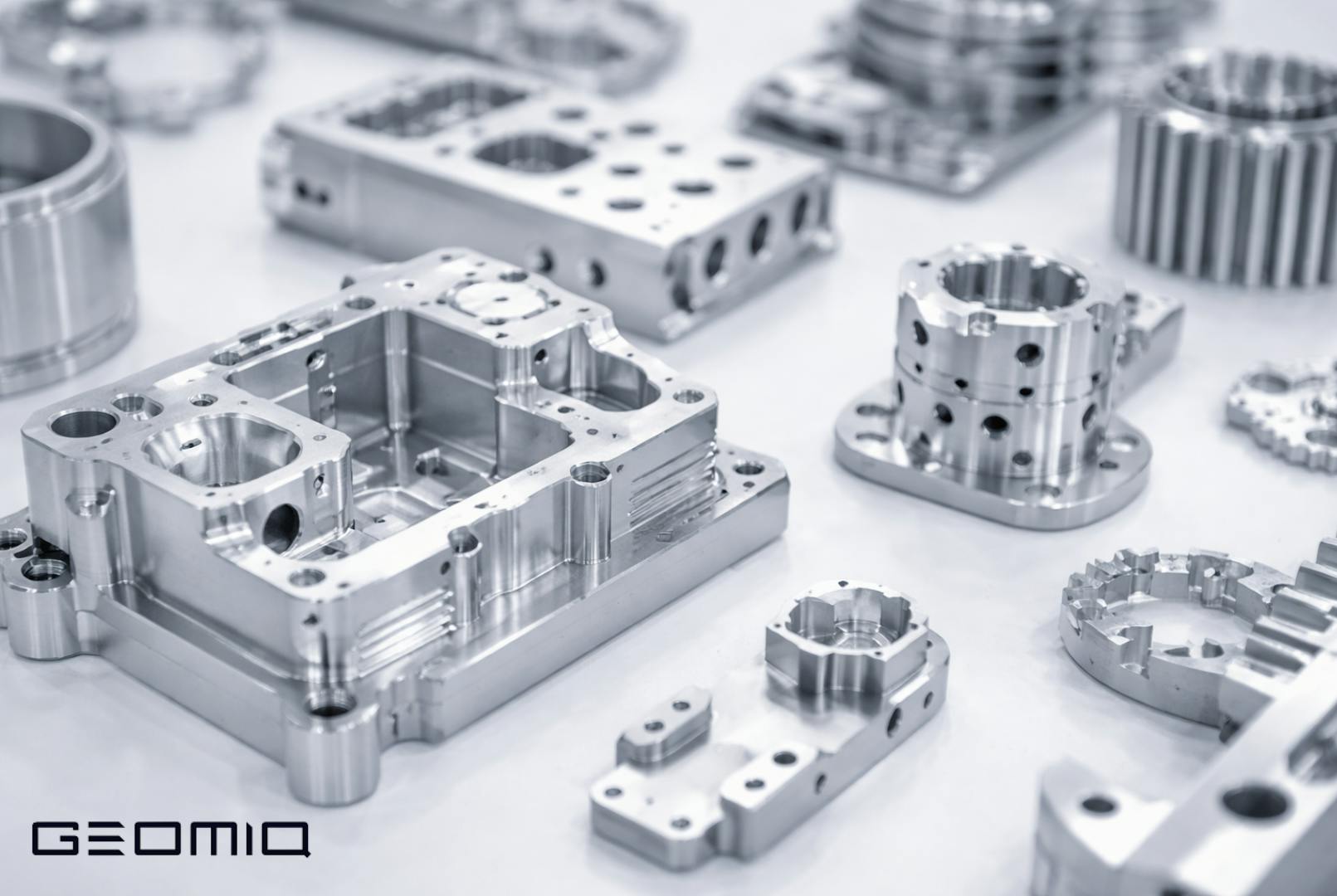
Aluminum 6061
A versatile and strong alloy, Aluminum 6061 is widely used in industries like aerospace and automotive due to its excellent machinability and corrosion resistance. Perfect for custom aluminum milling and aluminum CNC services, it’s ideal for rapid prototyping.

Aluminum 7075
Known for its high strength and lightweight properties, Aluminum 7075 is commonly used in high-stress applications like aerospace and military. It’s ideal for CNC aluminum parts and aluminum machining services requiring precision and durability.

Aluminum 2024
Offering superior fatigue resistance, Aluminum 2024 is often used in aircraft and military applications. Its excellent strength makes it a great choice for aluminum machining and aluminum CNC machining parts that require high performance.

Aluminum 5052
Known for its excellent corrosion resistance, Aluminum 5052 is commonly used in marine and outdoor environments. It’s perfect for aluminum parts machining and custom aluminum milling to create durable components in challenging conditions.

Aluminum 3003
Lightweight and highly formable, Aluminum 3003 is ideal for applications requiring ease of fabrication, such as roofing and siding. This alloy is commonly used in aluminum CNC service for creating cost-effective parts and rapid prototyping.

Finishing Options for CNC Aluminum Parts
For aluminum components to have the desired look and functionality, CNC aluminum parts finishing options are essential. These finishes improve corrosion resistance, longevity, and visual appeal. Depending on the application, common choices include polishing, powder coating, and anodizing, each of which has special advantages.
Businesses can choose the best option for their aluminum parts machining needs by using a CNC machining guide to comprehend the various finishing techniques. Manufacturers can guarantee that their CNC aluminum parts satisfy both functional and aesthetic requirements by selecting the appropriate finish.
Next Steps with Geomiq
If you’re designing parts that must withstand real-world mechanical loads, Geomiq can support you with:
- Material selection guidance
- Precision manufacturing services
- Engineering-ready production at scale
Explore Geomiq’s manufacturing solutions or request a quote to bring your designs to life.
FAQ
What is aluminum, and why is it used in CNC machining?
Aluminum is a lightweight, silver-colored metal that balances low weight, corrosion resistance, and machinability. Its alloys are ideal for CNC machining because they offer strength, precision, and versatility for automotive, construction, and manufacturing parts.
What is the difference between pure aluminum and aluminum alloys?
Pure aluminum is soft and highly formable, suitable for electrical or packaging uses. Aluminum alloys mix aluminum with elements like magnesium, silicon, copper, or zinc to increase strength, hardness, and performance for CNC and engineering applications.
What are the key properties of aluminum that matter in CNC machining?
Aluminum is lightweight, corrosion-resistant, highly machinable, and offers strong strength-to-weight ratios. It has good thermal conductivity, expands with heat, and may scratch easily, so design and finishing considerations are important.
What are the benefits of using aluminum for CNC machined parts?
Aluminum allows faster machining, lower cost per part, excellent strength-to-weight ratio, good surface finishes, natural corrosion resistance, wide alloy availability, and thermal efficiency for heat-related components.
Where are CNC machined aluminum parts commonly used?
They are widely used in brackets, housings, frames, moving components, robotics, aerospace-style assemblies, electronics enclosures, and portable equipment due to their combination of light weight, strength, and machinability.
About the author
Sam Al-Mukhtar
Mechanical Engineer, Founder and CEO of Geomiq
Mechanical Engineer, Founder and CEO of Geomiq, an online manufacturing platform for CNC Machining, 3D Printing, Injection Moulding and Sheet Metal fabrication. Our mission is to automate custom manufacturing, to deliver industry-leading service levels that enable engineers to innovate faster.